5-Ingredient Dinners for Busy Weeknights
The best weeknight dinners aren't complicated. They're five ingredients, one pan, and twenty minutes. Here are the principles behind meals that are simple without being boring.
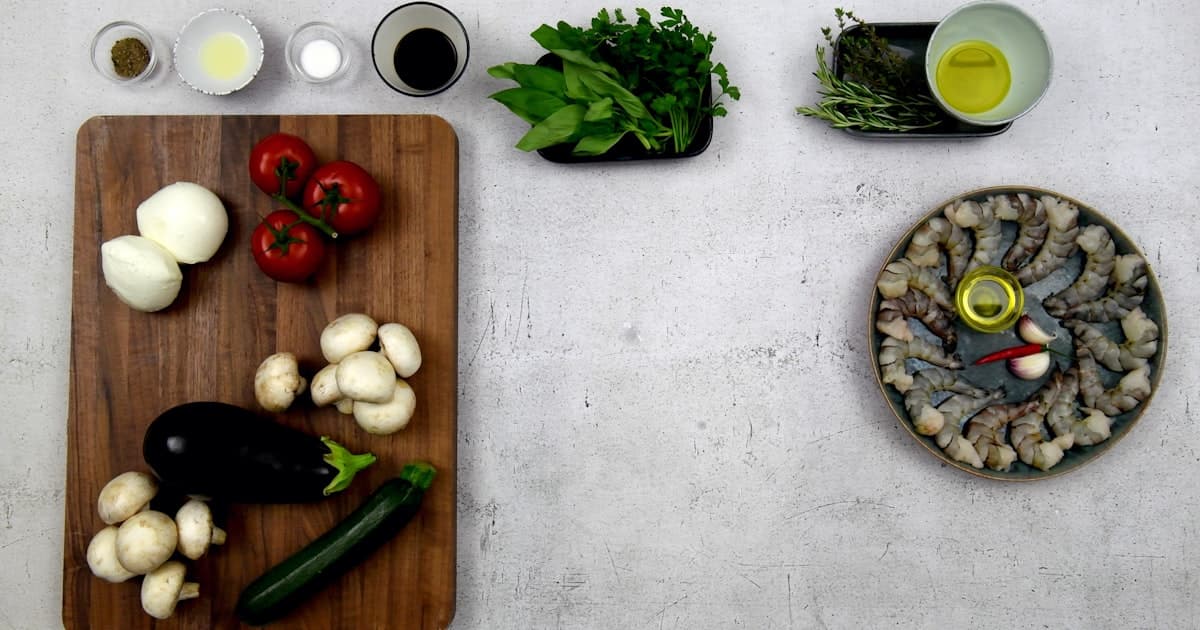
There's a specific type of recipe that I've come to distrust. It starts with a beautiful photo, a charming backstory about a trip to Tuscany, and then a list of 23 ingredients --- three of which I've never heard of, two of which require a trip to a specialty store, and one that costs more than the rest of the meal combined. The recipe promises 30 minutes of cooking time but somehow involves blanching, reducing, and "letting the flavors marry" in a way that suggests a minimum of 90 minutes and seven dirty dishes.
This is not a weeknight dinner. This is a weekend project masquerading as accessible cooking.
Real weeknight cooking --- the kind that happens at 6:30 PM when you're already hungry and half the family is asking "how much longer?" --- works best with constraints. And the most powerful constraint is this: five ingredients.
Why Five Is the Magic Number
Five ingredients is just enough to create a complete, flavorful meal. Fewer than five, and you're usually missing either a protein, a vegetable, or a flavor element. More than five, and the shopping list gets long, the prep gets complicated, and the cleanup multiplies.
Five ingredients also means five things to buy, five things to chop, and five things to keep track of while cooking. That's a cognitive load that a tired brain can handle on a Tuesday evening. The moment you go to seven or eight ingredients, you've crossed a threshold where cooking starts to feel like work instead of a means to an end.
The key is that "five ingredients" doesn't mean "five items from the store." Salt, pepper, olive oil, and butter are kitchen staples --- they don't count. You should always have them on hand (if you don't, buy them once and you're set for weeks). The five ingredients are the specific items that make this meal this meal and not some other meal.
The Formula: Protein + Vegetable + Starch + Fat + Flavor
Every great five-ingredient dinner follows the same basic structure. Once you internalize this formula, you can improvise endlessly without ever looking at a recipe.
Protein is the anchor. Chicken thighs, ground beef, salmon fillets, Italian sausage, eggs, canned beans, tofu. Pick one.
Vegetable is the bulk and the color. Broccoli, bell peppers, zucchini, green beans, cherry tomatoes, spinach. Pick one or two (they count as one ingredient if they go on the same sheet pan).
Starch is the satisfaction. Rice, pasta, bread, tortillas, potatoes. This is what makes it feel like a meal and not a snack.
Fat is the richness. Olive oil, butter, coconut milk, cheese. This carries flavor and makes everything taste better. Staple fats like olive oil and butter don't count toward your five.
Flavor is the soul of the dish. This is the ingredient that defines what cuisine you're eating and what the meal tastes like. Soy sauce makes it Asian. Salsa makes it Mexican. Pesto makes it Italian. Lemon juice and garlic make it Mediterranean. One bold flavor ingredient does more work than five subtle ones.
Five Meals, Five Ingredients Each
Here are five concrete dinners built on this formula. Each takes 20 minutes or less and requires exactly five non-staple ingredients.
Sheet Pan Chicken Thighs with Broccoli. Bone-in chicken thighs, broccoli florets, lemon, garlic, parmesan. Toss the broccoli with olive oil and minced garlic on a sheet pan. Nestle the chicken thighs in between, skin-side up. Squeeze lemon over everything. Roast at 425 degrees for 25 minutes. Grate parmesan over the broccoli when it comes out of the oven. The chicken skin crisps, the broccoli chars at the edges, the lemon brightens everything. One pan, zero fuss.
Sausage and Pepper Pasta. Italian sausage, bell peppers, penne pasta, crushed tomatoes, fresh basil. Slice the sausage and brown it in a skillet. Add sliced peppers and cook until soft. Pour in the crushed tomatoes and simmer while the pasta boils. Toss everything together, tear basil over the top. This is the kind of meal that tastes like it simmered all day but actually came together in the time it takes to boil water.
Salmon with Soy Glaze and Rice. Salmon fillets, soy sauce, honey, rice, green onions. Cook the rice. Mix soy sauce and honey in a small bowl (equal parts). Sear the salmon skin-side down in a hot pan for 3 minutes, flip, pour the soy-honey mixture over it, and cook 3 more minutes. The glaze caramelizes into something that tastes like it came from a restaurant. Slice green onions over the rice. Done.
Black Bean Tacos. Canned black beans, tortillas, avocado, salsa, cilantro. Heat the beans in a pan with cumin and a pinch of salt (pantry staples). Warm the tortillas. Mash the avocado with a fork and a squeeze of lime. Assemble: beans, avocado, salsa, cilantro. This meal costs less than $3 per person and takes about 10 minutes. It's also accidentally vegan, if that matters to anyone at your table.
Egg Fried Rice. Eggs, rice (leftover or fresh), frozen peas, soy sauce, sesame oil. The secret is high heat and cold rice. Get a pan screaming hot with a splash of sesame oil. Add cold rice and press it flat --- let it crisp for 2 minutes without stirring. Push the rice to the side, scramble the eggs in the empty space, then mix everything together. Add frozen peas (they thaw in 30 seconds) and a generous splash of soy sauce. This is the meal I make more than any other. It takes 8 minutes and it never gets old.
Why Simple Doesn't Mean Boring
People equate simplicity with blandness, but the opposite is true. When you have only five ingredients, each one has to work harder. There's nowhere for a mediocre ingredient to hide. A great piece of salmon with soy and honey tastes better than a complicated salmon dish with fourteen ingredients fighting for attention.
Professional chefs know this. The best restaurant dishes often rely on a small number of excellent ingredients prepared with care, not a long list of components assembled into complexity. A perfectly roasted chicken with nothing but salt, pepper, and butter is one of the best things you'll ever eat --- and it's three ingredients.
The constraint also forces you to think about technique instead of ingredients. When you can't cover up bland food with another sauce or spice, you learn to sear properly, to let things caramelize, to season with confidence. These skills carry over to everything you cook.
Building Your Own 5-Ingredient Repertoire
The five meals above are a starting point, not a destination. The real power of the formula is that it's infinitely customizable. Here's how to create your own five-ingredient dinners:
Pick a protein you like. Pick a vegetable that pairs with it. Pick a starch that makes sense for the cuisine. Pick one bold flavor ingredient that ties it all together. Cook everything using the simplest method available --- usually roasting, pan-frying, or boiling.
If you get stuck, think about cuisines. Italian five-ingredient dinners lean on tomatoes, garlic, pasta, and olive oil. Asian five-ingredient meals use soy sauce, sesame oil, rice, and ginger. Mexican cooking thrives on beans, tortillas, avocado, lime, and cilantro. Each cuisine has its own five-ingredient vocabulary, and once you learn a few words in each, you can build meals without thinking about it.
Need inspiration? MealIdeas.ai can suggest quick dinner ideas based on what you already have in the fridge and how much time you've got. Tell it you have 20 minutes and five ingredients, and it'll give you something specific --- not a vague suggestion, but a complete dinner idea with instructions.
The Weeknight Philosophy
Here's the thing nobody tells you about weeknight cooking: it's not supposed to be the highlight of your culinary life. Weeknight dinners are not the time for experiments, elaborate presentations, or recipes that require you to "mise en place" twelve different bowls of pre-measured ingredients.
Weeknight dinners are fuel and comfort. They should be fast, satisfying, and leave you with minimal cleanup. They should taste good without requiring your full attention. They should get food on the table while you help with homework, answer emails, or just decompress from the day.
Five ingredients, one pan, twenty minutes. That's the weeknight promise. Everything else can wait for the weekend.
You Might Also Like
Comments
Comments are not available for this post.