Family Dinner Ideas That Everyone Actually Eats: A Rotation System
End the nightly 'what's for dinner' fight. A simple rotation system that keeps everyone happy without cooking different meals for every family member.
It's 5:30 on a Tuesday. You just walked through the door. The backpack is on the floor, someone's yelling about a permission slip, and your partner catches your eye with that look — the one that means "please tell me you know what we're eating tonight."
You don't.
You open the fridge. There's half a bell pepper, some leftover rice from two days ago, milk, and condiments. Your seven-year-old appears behind you and says, very seriously, "I don't want anything with green things in it." Your twelve-year-old, who last month declared herself vegetarian, says "I'm not eating meat." Your partner, who started low-carb on Monday, just shakes their head.
So you make pasta for the kids, a salad for yourself, and your partner eats cheese and deli turkey straight from the package while standing at the counter. Everyone eats, nobody's happy, and there are three pans to wash.
Sound familiar? Let's fix this.
The problem with family dinners isn't that you can't cook. It's that you're trying to solve an impossible equation every single night: find one meal that a picky second-grader, a newly vegetarian tween, a low-carb adult, and your own exhausted self will all happily eat. That meal doesn't exist. Stop looking for it.
What does work is a different way of thinking about dinner. Instead of finding the one thing everyone likes, you cook one thing that everyone can make their own.
Think about the last time your family went out for tacos. Nobody complained, right? That's because taco night is inherently customizable. The meat is separate from the toppings. The shells are separate from the fillings. The picky eater makes a cheese quesadilla. The vegetarian loads up on beans and guac. The low-carb person wraps everything in lettuce. You made one dinner. Everyone ate something different. Nobody fought about it.
That principle — one base, everyone customizes — is the foundation of every stress-free family dinner. And once you see it, you start seeing customization points everywhere.
Pasta night. You boil one pot of penne. Sauce goes on the table, not on the pasta. Your picky eater gets butter and parmesan (and is thrilled about it). You toss yours with pesto and roasted vegetables. The vegetarian adds marinara and mushrooms. One pot of pasta, one mess, four happy people.
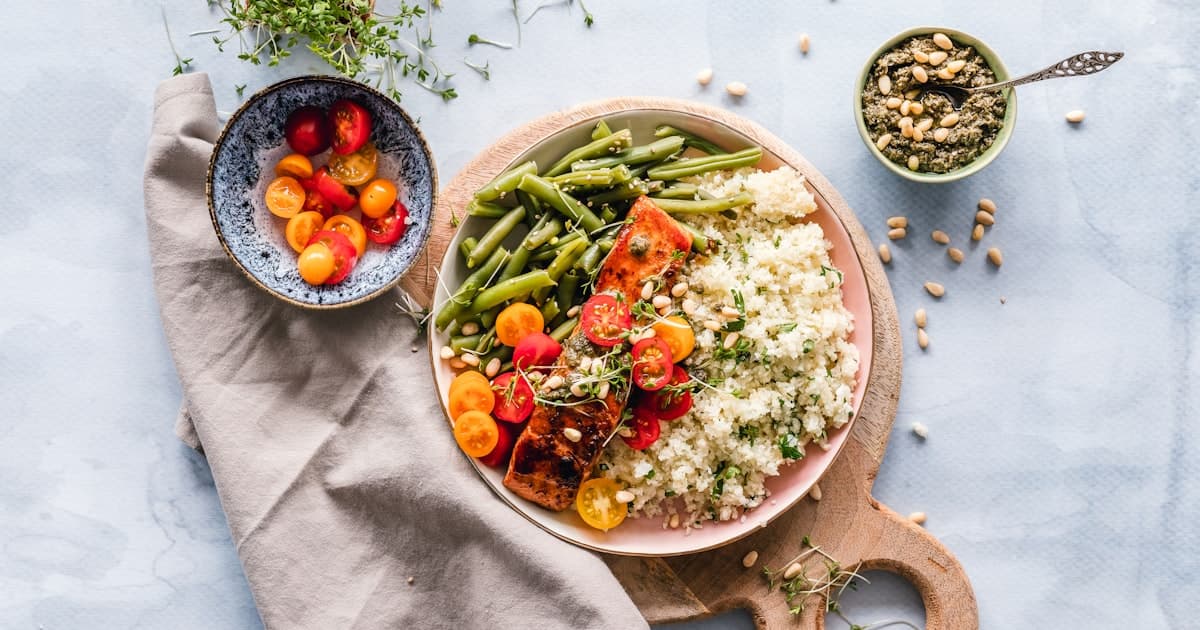
Bowls. Rice goes in the middle of the table. Chicken, beans, vegetables, sauces, cheese — all separate. Everyone builds what they want. It's like a salad bar, but warm. Kids love it because they feel in control. You love it because you cooked one batch of rice and chopped some toppings.
Even soup works this way if you think about it. Make a base broth with noodles or rice. Put the toppings — shredded chicken, corn, avocado, cheese, crushed tortilla chips — in bowls on the table. Suddenly "soup night" goes from "my kid won't eat soup" to "my kid put fourteen tortilla chips in their bowl and also ate some chicken." That counts.
Once you've embraced the idea that dinner is a platform, not a product, the next question is: how do you decide what to cook each night without that 5:30 PM dread?
Here's what worked for us. We assigned each weeknight a category — not a recipe, just a type of food. Monday is pasta. Tuesday is tacos or wraps. Wednesday is bowls. Thursday is something from a pot — soup, stew, chili. Friday is pizza or whatever's fun.
That's it. Five categories that repeat every week.
Within each category, the actual recipe changes. This Monday might be spaghetti bolognese. Next Monday it's mac and cheese. The Monday after that, it's pesto penne with sausage. But every Monday, the family knows it's pasta night. There's no negotiation, no "what do you want," no decision fatigue. It's pasta night. Period.
This sounds rigid, but it's the opposite. The structure eliminates the decision ("what type of food?") while leaving the variety ("what specific food?") wide open. And because each category is inherently customizable — tacos, bowls, pasta, pizza — you never have to cook multiple meals.
The unexpected benefit is that kids actually start to look forward to the rhythm. "It's taco Tuesday!" gets genuine enthusiasm from the same child who, faced with an open-ended "what do you want for dinner," would say "I don't know" and then reject everything you suggest.
Let me walk you through what an actual week looks like.
Monday. You get home, put water on to boil, and heat up a jar of marinara sauce. While the pasta cooks, you spiralize a zucchini for your partner's low-carb version and put out parmesan, butter, and whatever vegetables you have. Fifteen minutes, tops. The seven-year-old eats buttered noodles with a mountain of parmesan and is genuinely happy. The vegetarian puts marinara on hers and adds some leftover roasted broccoli. Your partner has the sauce over zucchini. You eat the full thing with a glass of wine because it's Monday and you've earned it.
Tuesday. Ground beef goes in the pan with taco seasoning. Tortillas warm in the oven. You set out a toppings bar: cheese, lettuce, tomato, salsa, sour cream, hot sauce. Your picky eater turns a tortilla into a cheese quesadilla — same ingredients, different shape, zero complaints. The vegetarian subs black beans for the beef and loads up on guacamole. Takes about twenty minutes. Dishes are minimal because everyone assembled their own.
Wednesday is the quiet genius of the rotation. It's bowl night, and it's where leftovers go to be reborn. You have rice from a batch you made on Sunday (or you make a quick pot — fifteen minutes). Shred some chicken, put out the leftover taco toppings from Tuesday, add some fresh cucumber and a drizzle of soy sauce or whatever's in the fridge. Nobody realizes they're eating "leftovers" because the format is completely different.
Thursday you need a break, so it's pot night. You dump a can of tomatoes, a can of beans, some broth, whatever vegetables are about to go bad, and some spices into a pot. Let it simmer while you help with homework. Serve with bread. Make a double batch so Saturday lunch is handled too. This is the night where effort is genuinely close to zero.
Friday is pizza. Store-bought dough or English muffins for the kids. Everyone picks their toppings. The seven-year-old makes cheese pizza. The twelve-year-old experiments with vegetables. You put whatever's left in the fridge on yours — it's basically a fridge-cleanout disguised as a party. This is the reward night, and it feels like one.
Now, here's the thing that makes this sustainable beyond the first two weeks: the one-new-four-safe rule.
Every week, one of those five nights features something the family hasn't tried before. The other four are proven winners — meals you know everyone will eat.
The new meal goes into an easy slot, not a hard one. You don't debut a complicated new recipe on a hectic Monday. You slip it into a calm Thursday or a fun Friday. And you always have a backup. If the new Thai peanut noodles don't land, there's bread and butter on the table and everyone knows tomorrow is a safe favorite.
What happens over time is that some of those "new" meals start getting requested. Your kid who "doesn't like soup" discovers they love chicken tortilla soup with enough crushed chips on top. That dish graduates into the Thursday rotation. Your repertoire grows by one meal, with zero fights.
Over a year, trying one new thing per week means you've introduced fifty new meals to your family. Even if only ten of them stick, you've tripled your dinner vocabulary. And nobody felt pressured.
A Starter Rotation to Try This Week
If you want to put this into practice right now, here are five meals that work for almost any family — every one is customizable, and none takes more than 25 minutes.
Monday — One-Pot Pasta. Cook penne right in the marinara sauce (one pot, less cleanup). Serve sauce-on-the-side for picky eaters. Add meatballs or sausage for protein.
Tuesday — Build-Your-Own Tacos. Brown some ground beef or turkey with taco seasoning. Warm tortillas. Put every topping you have on the table. Walk away.
Wednesday — Rice Bowls. Rice plus whatever protein you have, plus whatever toppings. Soy sauce, sriracha, or salsa depending on the direction. This is the most flexible meal in the rotation.
Thursday — Dump-and-Simmer Chili. One can of tomatoes, one can of beans, ground beef or turkey, chili powder, cumin. Simmer 20 minutes. Serve with shredded cheese and crackers.
Friday — English Muffin Pizzas. Split the muffins, add sauce, add cheese, add whatever toppings each person wants. Broil for 5 minutes. This is not gourmet. It is delicious and your kids will love it.
Try this for two weeks. If it works, start swapping in new recipes within each slot. If a specific night's category doesn't fit your family, change it — maybe your crew prefers stir-fry Wednesdays or breakfast-for-dinner Thursdays.
The MealIdeas.ai week planner can help fill your rotation with fresh ideas each week — it learns what your family actually eats and suggests meals that fit your categories, your dietary needs, and even your mood after a long day. But the framework works with or without any tool. The important thing is having a structure that removes the nightly question.
Because the goal was never to find the perfect family dinner recipe. The goal was to stop having the conversation at 5:30 PM.
You Might Also Like
Comments
Comments are not available for this post.