How Your Mood Affects What You Should Eat
There's real science behind why you crave mac and cheese when you're sad and crunchy snacks when you're stressed. Understanding the mood-food connection can transform how you eat.
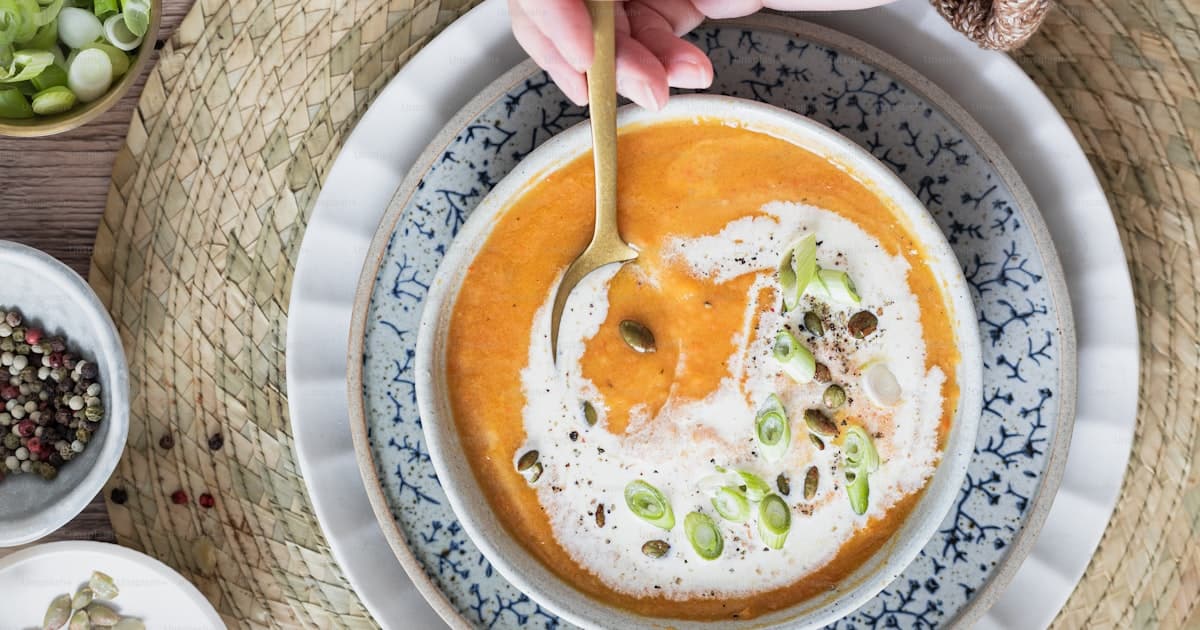
Last Thursday I came home from work in a foul mood. Nothing catastrophic had happened --- just one of those grinding days where every email was urgent, every meeting ran long, and by 6 PM my patience was completely gone. I walked into the kitchen, opened the fridge, and reached straight past the leftover salad, past the grilled chicken, past everything sensible, and pulled out a block of cheddar cheese, a stick of butter, and a box of macaroni.
Twenty minutes later I was on the couch with a bowl of mac and cheese, and the world felt approximately 40% less terrible.
I used to feel guilty about this kind of eating. I'd tell myself I was being undisciplined, that I should have had the salad, that comfort food was a weakness. But then I started reading the research, and it turns out my body knew exactly what it was doing.
The Science of Comfort Cravings
When you're stressed, your body produces cortisol --- the fight-or-flight hormone. Cortisol does a lot of things, but one of its effects is increasing your desire for foods that are high in fat, sugar, or both. This isn't a character flaw. It's biochemistry.
Researchers at the University of California, San Francisco found that consuming comfort food actually dampens the stress response at a hormonal level. The fats and carbohydrates in these foods trigger the release of serotonin and dopamine --- neurotransmitters that regulate mood and create feelings of pleasure and calm. Your brain learns this association quickly: stress happens, comfort food helps, repeat.
But here's the nuance that most "emotional eating" articles miss: this response isn't inherently bad. The problem isn't that comfort food improves your mood --- it genuinely does. The problem is when it becomes your only response to every negative emotion, or when the foods you reach for create a crash that makes you feel worse two hours later.
The goal isn't to override your body's signals. It's to work with them more skillfully.
Mood-by-Mood: What Your Body Actually Needs
Different emotional states create different neurochemical environments, and those environments respond to different types of food. Here's what the research suggests for the most common moods people experience at dinnertime.
When you're stressed. Cortisol is high, and your jaw is probably clenched. There's a reason stress-eating often involves crunchy foods --- the physical act of chewing releases tension in the jaw and face. Instead of chips straight from the bag (which are engineered to be impossible to stop eating), try foods that give you that satisfying crunch with more staying power: a big chopping salad with nuts and croutons, roasted chickpeas, or tacos with crispy shells loaded with fresh toppings.
Magnesium also drops when you're stressed, and low magnesium amplifies anxiety. Dark chocolate, avocados, and leafy greens are all rich in magnesium. A grain bowl with spinach, avocado, and a drizzle of tahini hits the crunch, the fat, and the magnesium all at once.
When you're stressed and need dinner ideas, lean toward meals that are satisfying to eat physically --- things that crunch, that require chewing, that feel substantial. Your body wants to process the tension through your jaw. Let it.
When you're tired. Fatigue usually means your blood sugar has been on a roller coaster all day, and your serotonin is running low. The craving is for something warm, soft, and carb-heavy --- and that craving is your body asking for the raw materials to produce more serotonin. Tryptophan, an amino acid found in turkey, eggs, cheese, and nuts, is the precursor to serotonin. Complex carbohydrates help tryptophan cross the blood-brain barrier more effectively.
A bowl of oatmeal with banana and walnuts is scientifically close to a serotonin supplement. So is a grilled cheese sandwich on whole-grain bread with a bowl of tomato soup. These aren't just comfort foods by tradition --- they're comfort foods by chemistry.
When you're too tired to think about cooking, choose meals that are warm, require minimal effort, and combine complex carbs with a protein source. Scrambled eggs on toast, a baked potato with cheese and broccoli, or a simple pasta with olive oil and parmesan all fit the bill.
When you're sad. Sadness often comes with a dopamine deficit --- the neurochemical associated with motivation and reward. Your body craves foods that produce a dopamine hit, which is why sadness and sugar cravings often go together. But a candy bar creates a spike-and-crash cycle that can make the sadness worse.
Better dopamine-supporting foods include those rich in tyrosine: bananas, dark chocolate, lean proteins, and fermented foods like yogurt. Omega-3 fatty acids, found in salmon and walnuts, have also been shown in multiple studies to support mood regulation over time.
For a sad-day dinner, think about meals that feel indulgent but have genuine nutritional support: a salmon fillet with roasted sweet potatoes, a hearty lentil soup with crusty bread, or even a banana smoothie bowl with dark chocolate shavings and granola. These foods acknowledge the craving for comfort while giving your brain what it actually needs.
When you're happy or energized. When you're in a good mood, serotonin and dopamine are already flowing. This is actually the best time to eat adventurously --- try that new recipe, cook something complex, eat the salad that requires 15 minutes of chopping. Your brain has the bandwidth for it. Good moods also correlate with better digestion, so heavier or richer foods are processed more efficiently.
Use your good days to prep food for your bad days. That batch of soup you make on a happy Saturday afternoon becomes the effortless comfort meal you reach for on an exhausted Wednesday.
When you're anxious. Anxiety and gut health are deeply connected through the vagus nerve, which links your brain and digestive system. Anxious states often trigger digestive discomfort, which is why heavy or greasy food feels terrible when you're worried. Fermented foods --- yogurt, kimchi, miso --- support gut microbiome diversity, which growing evidence links to reduced anxiety symptoms.
Light, easy-to-digest meals work best: a miso soup with tofu and vegetables, yogurt with fruit and granola, or a warm grain salad. Avoid anything fried, overly spicy, or very heavy, which can amplify the physical symptoms of anxiety.
The Mood-Food Feedback Loop
Here's the part that gets interesting: the relationship between mood and food runs in both directions. What you eat affects how you feel, and how you feel affects what you eat. This creates feedback loops that can be either virtuous or destructive.
The destructive loop looks like this: you're stressed, so you eat a bag of chips. The chips spike your blood sugar, which crashes an hour later, making you feel more tired and irritable. Now you're tired and stressed, so you reach for more junk food. Repeat.
The virtuous loop looks like this: you're stressed, so you eat a grain bowl with roasted vegetables, avocado, and grilled chicken. The complex carbs and healthy fats stabilize your blood sugar. The magnesium from the greens and the protein from the chicken support serotonin production. An hour later, you feel calmer and more focused. The next time stress hits, your body remembers this worked.
The key insight is that you don't have to get it right every time. One meal doesn't define your relationship with food. But the more often you choose the option that supports your mood instead of just reacting to it, the more your default behavior shifts.
Practical Application: The Mood Check-In
Here's a simple habit that ties all of this together. Before you decide what to eat, take ten seconds and ask yourself: "How am I feeling right now?" Not "what do I want?" --- that's a different question, and it leads back to decision paralysis. Just identify the emotion.
Tired? Something warm and simple. Stressed? Something crunchy and substantial. Sad? Something comforting with real nutrition. Anxious? Something light and easy to digest. Happy? Something fun and adventurous.
This ten-second mood check-in replaces the exhausting process of scrolling through recipes and menus. Your mood is your menu filter. Once you know how you feel, the right type of food becomes obvious, and the specific choice within that type barely matters.
This is the core idea behind MealIdeas.ai. You tell it your mood, and it recommends one meal --- not a list, not a category, but one specific dinner that matches how you're feeling. It's the mood check-in automated: your emotional state becomes the input, and a meal that supports it becomes the output.
Eating With Your Emotions, Not Against Them
The old advice was to ignore your cravings, eat what's "healthy," and power through. The new understanding is more nuanced: your cravings carry real information about what your body and brain need. The skill isn't in overriding them --- it's in translating them.
When your body says "I need comfort," the translation isn't "eat whatever's fastest." It's "eat something warm, familiar, and nourishing." When it says "I need energy," the translation isn't "chug a Red Bull." It's "eat something with complex carbs and protein that will sustain you."
Listen to what your mood is telling you. Then feed it something it deserves.
Comments
Comments are not available for this post.