The Ultimate Guide to Building a Weekly Meal Plan
Weekly meal planning saves time, money, and sanity. But most approaches are too rigid to survive real life. Here's a flexible framework that adapts to your actual week.
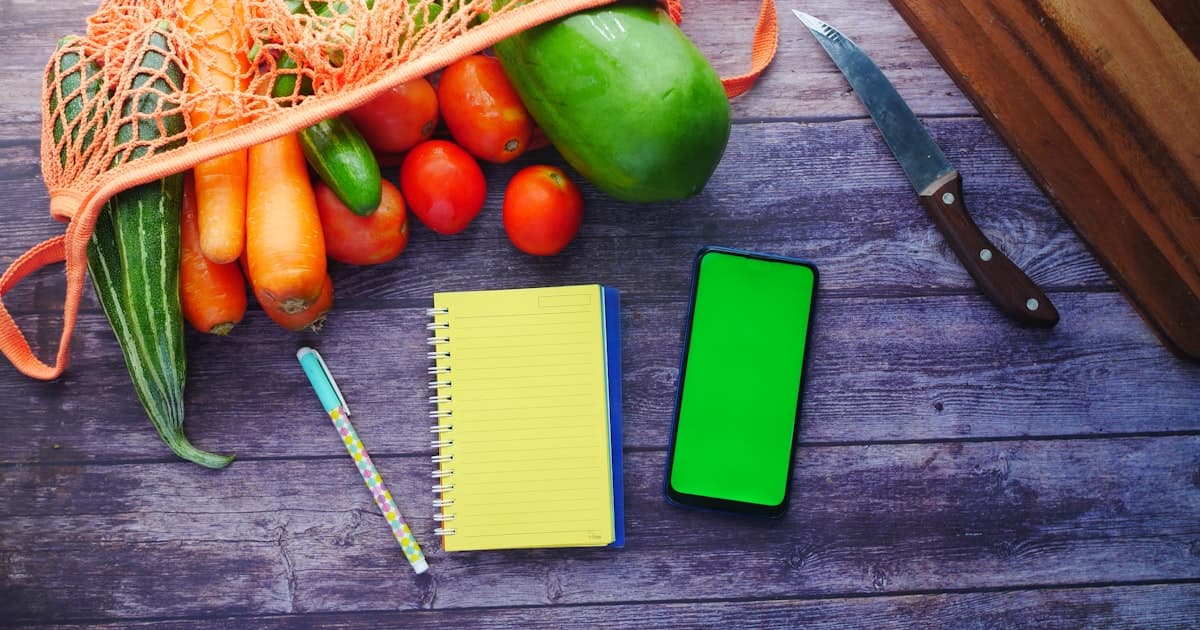
I've started meal planning at least a dozen times. The pattern was always the same: Sunday evening, I'd sit down with a cookbook or Pinterest board, plan seven beautiful dinners, write a meticulous grocery list, shop for everything, and feel incredibly organized. By Tuesday, life would intervene --- a late meeting, an unexpected dinner invitation, a child announcing they had a school project due tomorrow. By Wednesday, two of the planned meals had been skipped, the fresh fish I'd bought for Thursday was starting to smell, and I was back to staring at the fridge at 6 PM like I'd never planned anything at all.
The problem wasn't a lack of discipline. It was that my plan was brittle. It had no room for the unpredictable, messy reality of an actual week. One disruption and the whole thing collapsed.
After years of false starts, I finally found an approach that works --- not because it requires more willpower, but because it's designed to bend instead of break.
Why Rigid Plans Fail
The standard meal planning advice goes something like this: pick seven dinners, shop for all of them, and assign each one to a specific day. Monday is chicken stir-fry. Tuesday is pasta. Wednesday is fish tacos.
This approach assumes your week will go according to plan. But weeks almost never go according to plan. Your energy level on Wednesday might be completely different from what you predicted on Sunday. Your schedule might shift. Someone might not feel well. Ingredients might not look as good at the store as they did in the recipe photo.
When a rigid plan breaks --- and it will --- there's no backup. You've bought ingredients for specific recipes that don't easily swap into other meals. The fish can't wait until Friday. The fresh herbs are wilting. And the mental overhead of replanning mid-week is exactly what meal planning was supposed to eliminate.
A good meal plan needs to be more like a jazz chart than a symphony score. It gives you structure and direction, but leaves room for improvisation.
The Flexible Framework
Instead of planning specific meals for specific days, plan a pool of five to six dinner options for the week. You know you'll make all of them at some point, but you decide which one to cook each evening based on how the day actually went.
Here's how it works:
Step 1: Choose your pool. On Saturday or Sunday, pick five to six dinner ideas for the coming week. Include a mix of effort levels: two easy meals (under 20 minutes), two medium meals (20-40 minutes), and one or two more involved options for nights when you have time and energy. This mix is critical --- it acknowledges that you won't have the same capacity every night.
Step 2: Shop for the pool. Write a grocery list that covers all five to six meals. The key trick is to choose meals with overlapping ingredients. If three of your meals use chicken, buy chicken once. If two meals need rice, cook one batch. Ingredient overlap is the difference between a $40 grocery trip and an $80 one.
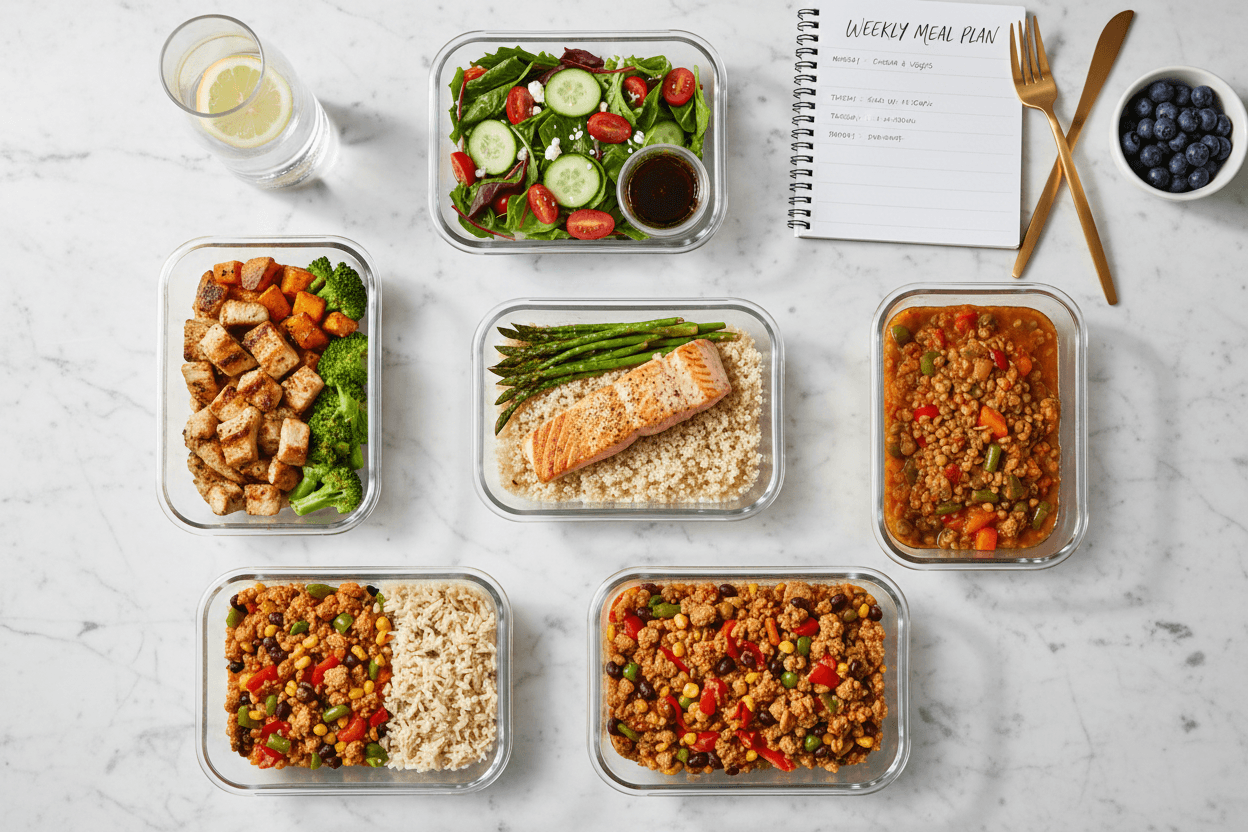
Step 3: Prep the overlaps. On your prep day (Sunday for most people), cook or prepare only the things that appear in multiple meals. A big pot of rice. A batch of roasted chicken. Washed and chopped vegetables. These shared components are the connective tissue of your week --- they make any meal in your pool quick to assemble.
Step 4: Choose nightly. Each evening, look at your pool and pick the meal that matches your current energy, mood, and schedule. Long day? Grab an easy option. Feeling energized? Tackle the more involved recipe. Got home early? Try the one that requires more active cooking time.
This solves the fundamental problem of rigid planning: the decision about what to eat moves from Sunday (when you're guessing) to each evening (when you actually know how you feel). But the decisions are constrained to a curated pool, so you never face the overwhelming question of "anything in the world, what do I want?"
Building Your Pool: The Category Method
If choosing five to six meals from scratch each week sounds hard, use categories to guide you. Assign each slot in your pool a category, and then fill it in.
A good starting template:
- A pasta dish (always fast, endlessly variable, universally liked)
- A sheet-pan meal (low effort, high flavor, minimal cleanup)
- A bowl or stir-fry (great for using up vegetables, flexible with proteins)
- A slow-cook or one-pot meal (set it and forget it, often makes great leftovers)
- A sandwich, wrap, or taco night (minimal cooking, everyone customizes their own)
- A wildcard (something new, something you've been wanting to try, or a restaurant favorite you're attempting at home)
Categories 1-5 are your reliable foundation. Category 6 is where you grow your repertoire. If the wildcard doesn't work out, you've still got five proven options to carry the week.
Over time, you'll build a library of three to four go-to meals in each category. Your pasta rotation might include cacio e pepe, spaghetti bolognese, pesto pasta with chicken, and creamy tomato rigatoni. Your sheet-pan rotation might be chicken thighs with broccoli, sausage with peppers and potatoes, salmon with asparagus, and roasted chickpeas with sweet potato. When it's time to plan, you just pick one from each category.
The Shopping List: How to Not Overspend
The grocery bill is where most meal plans quietly fail. You spend $100 on ingredients, use $60 worth, and throw away $40 in wilted produce and forgotten items.
Three rules keep the spending in check:
Rule 1: Start with what you have. Before writing a single item on your shopping list, check your fridge, freezer, and pantry. Build at least one meal in your weekly pool around ingredients you already own. That chicken breast in the freezer, those cans of beans, the half-bag of rice --- these are free meals waiting to happen.
Rule 2: Maximize ingredient overlap. If you're buying bell peppers for the stir-fry, choose another meal in your pool that also uses bell peppers. If you're buying chicken for the sheet pan, choose another meal that uses chicken. The ideal shopping list has items that each appear in two or three meals. This means less waste, less spending, and more flexibility --- if you skip the stir-fry, the bell peppers still get used in something else.
Rule 3: Buy proteins first, then build around them. Protein is usually the most expensive line item. Choose your proteins for the week (typically two to three types), then select meals and vegetables that complement them. This prevents the common mistake of buying five different proteins for five different recipes when two would have been enough.
Handling the Curveballs
Even a flexible plan encounters disruptions. Here's how to handle the common ones without abandoning the whole week.
Unexpected dinner plans. Someone invites you out, or you get takeout on impulse. No problem --- you just have one more meal in your pool than you need. The ingredient that would have been used that night gets pushed to the next. If it's perishable, bump it to the top of tomorrow's priority list.
Exhaustion override. You planned a medium-effort meal but you're completely wiped. Swap it with your easiest option. This is why having two easy meals in the pool is essential --- they're your emergency exits. Scrambled eggs on toast is a perfectly valid dinner. So is a grilled cheese with the tomato soup from the pantry.
Missing ingredients. You get home and realize you forgot to buy something. Don't go back to the store. Substitute or simplify. Missing basil for the pasta? Use dried herbs or skip it. No sour cream for the tacos? Use cheese instead. Adaptability is more important than perfection.
Leftovers piling up. If previous nights have generated leftovers, declare a "fridge clean-out" night. Turn everything into fried rice, load it into bowls, or make it into quesadillas. Leftovers nights aren't a failure of planning --- they're a feature. They save money and reduce waste.
Tools That Help
You can do all of this with a pen and paper. I did for months. A whiteboard on the fridge works even better --- you can see the pool at a glance and cross things off as you cook them.
But if you want the planning automated, MealIdeas.ai's week planner does exactly what I've described here: it generates a pool of meals with overlapping ingredients, creates a consolidated shopping list, and lets you swap meals around based on your mood each day. It even handles the "wildcard" slot by suggesting things outside your usual rotation that still use ingredients from the rest of the plan.
The tool saves about 30 minutes per week of planning and usually cuts the grocery bill by 20-30% through smarter ingredient overlap. But the framework works with or without any software. The important thing is having a system.
Getting Started: Your First Planned Week
If you want to try this next week, here's a minimal version to start with.
Saturday (10 minutes): Pick five dinner ideas. Write them on a sticky note and put it on the fridge. Shop for them.
Sunday (optional, 30-60 minutes): Cook any shared components --- rice, a batch of protein, chopped vegetables.
Monday through Friday: Each evening, check the sticky note, check your energy, and pick the meal that fits. Cross it off when you've made it.
That's it. No apps required, no elaborate spreadsheets, no color-coded calendar. Just five options, one sticky note, and the freedom to choose each night instead of having a rigid plan choose for you.
The goal isn't a perfect week of home-cooked meals. The goal is to remove the 6 PM panic. Even if you only cook three of the five nights and order delivery the other two, that's three fewer nights of standing in front of the fridge wondering what to do. Over a month, that's twelve home-cooked dinners that might not have happened otherwise.
That's enough. Start there.
You Might Also Like

Comments
Comments are not available for this post.