Shakshuka
“Middle Eastern magic in one pan. Eggs nestled in spiced tomato sauce, ready to be scooped up with crusty bread. It's comfort food that's actually healthy.”
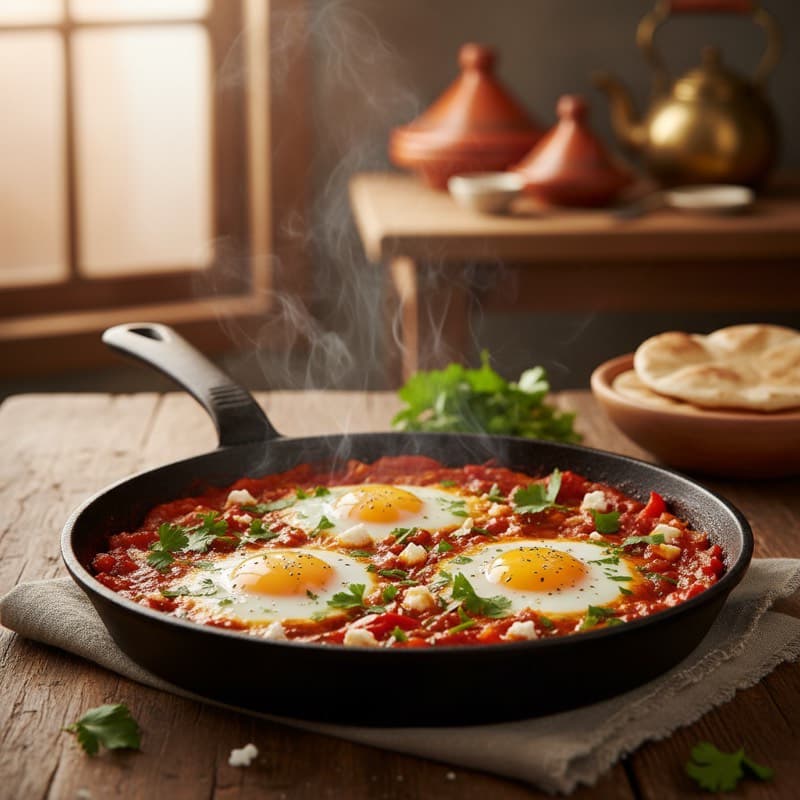
🤖 Why This Recipe Matches Your Mood
Eggs poached in spiced tomato sauce is like a warm hug that's also good for you. When you want comfort without the guilt, shakshuka delivers warmth and nourishment.
Shakshuka has taken over brunch menus worldwide, and for good reason. Eggs poached in spiced tomato sauce is the kind of dish that looks impressive, tastes incredible, and is actually quite simple to make. It's one-pan cooking at its finest.
But shakshuka isn't just a trendy brunch item – it's a staple breakfast across North Africa and the Middle East, eaten with crusty bread for scooping and shared family-style around the table. Understanding this context makes the dish more than just pretty Instagram food; it's a window into communal eating traditions.
Getting the Sauce Right
The tomato sauce is everything in shakshuka. Get it right, and the eggs practically poach themselves. Get it wrong, and you end up with either scrambled eggs in thin liquid or overdone yolks in burnt sauce.
The sauce needs to simmer long enough to reduce and thicken. Watery sauce makes it impossible to create stable wells for the eggs, and the whites will run everywhere. Ten minutes of simmering, minimum, until the sauce noticeably thickens.
Spices are crucial: cumin provides earthiness, paprika adds sweetness and color, cayenne brings gentle heat. Toast them briefly with the garlic before adding tomatoes – this blooms the essential oils and intensifies their flavor dramatically.
The Egg Technique
The perfect shakshuka egg has set whites and runny yolks. This is harder than it sounds because the eggs cook from below (from the hot sauce) and you need heat from above for the whites without overcooking the yolks.
Create deep wells in the sauce before cracking the eggs – use the back of a spoon to push sauce aside and form a bowl shape. Crack eggs directly into these wells so they stay contained. Cover the pan immediately to trap steam, which cooks the whites from above.
Timing depends on your stove and egg size, but start checking at 5 minutes. Gently jiggle the pan – whites should be set, yolks should wobble. Remember that eggs continue cooking after you remove from heat, so pull them slightly early.
Make It Your Own
Traditional shakshuka is vegetarian, but the dish invites customization. Crumbled feta is almost mandatory for many – the salty, tangy cheese cuts through the tomato richness beautifully. Fresh herbs (cilantro, parsley, or mint) add brightness.
Meat lovers can add crumbled merguez sausage or chorizo – brown it first, remove it, make the sauce in the rendered fat, then add it back before the eggs. This transforms shakshuka from breakfast side to hearty main.
For a Middle Eastern variation, add harissa paste for smoky heat, preserved lemons for brightness, or olives for briny contrast. Israeli versions sometimes include chickpeas for added protein.
🧠 The Science Behind It
Shakshuka works because it combines protein, vegetables, and warming spices in a single pan. It's substantial without feeling heavy – high protein, moderate carbs (from the bread), and satisfying fat from eggs and olive oil.
The runny yolk phenomenon plays a role too. Breaking into a runny yolk and mixing it with sauce creates a rich, emulsified mixture that coats your bread perfectly. This textural pleasure is deeply satisfying.
There's also the communal aspect. Shakshuka is meant to be eaten from the pan, family-style. Sharing food from a common vessel creates connection and turns a simple breakfast into an experience.
🌍 Cultural Background
Shakshuka (meaning 'all mixed up' in Arabic) likely originated in North Africa – Tunisia, Libya, and Morocco all claim versions. Jewish communities brought it to Israel, where it became a national dish.
In Israel and throughout the Middle East, shakshuka is primarily breakfast or brunch food, though it's eaten any time of day. It's common street food, sold by vendors who specialize in nothing else.
The dish represents the Sephardic Jewish culinary tradition, distinct from the Eastern European Ashkenazi tradition more familiar in America. Its recent popularity in Western brunch culture has introduced many people to this rich culinary heritage.
⚡ Quick Tips Before You Start
- ✓Simmer sauce until noticeably thickened before adding eggs
- ✓Create deep wells to keep eggs from running together
- ✓Cover the pan to cook whites without overcooking yolks
- ✓Pull from heat slightly early – eggs continue cooking
🍽️ Serving Suggestions
Crusty bread is essential – you need something sturdy to scoop the sauce and egg. Challah, pita, or a good baguette all work. Warm the bread slightly before serving.
Serve the shakshuka in the same skillet you cook it in, placed on a trivet in the center of the table. Provide individual plates and let everyone dig in. This is the traditional way and creates a convivial atmosphere.
🍷 Perfect Pairings
Strong coffee is the traditional pairing – Turkish or Arabic style if you want authenticity. Fresh-squeezed orange juice provides bright contrast.
For an alcoholic option, a crisp sparkling wine or mimosa works beautifully at brunch. Avoid heavy drinks; the dish is satisfying enough without adding alcohol weight.
Shakshuka became my go-to for lazy weekend mornings. The sauce can be made ahead and refrigerated, so when I wake up craving something special, I just reheat and add eggs. Ten minutes from fridge to table, looking like I spent an hour. The perfect deception.
— The mealideas.ai Team
📋 Shakshuka
📝 Ingredients
- •6 eggs
- •1 can (28 oz) crushed tomatoes
- •1 red bell pepper, diced
- •1 onion, diced
- •4 cloves garlic, minced
- •2 tsp cumin
- •1 tsp paprika
- •1/2 tsp cayenne pepper
- •1/4 cup fresh cilantro, chopped
- •Feta cheese for topping
- •Crusty bread for serving
👨🍳 Instructions
- 1
Onions and peppers sizzle. Your kitchen is waking up.
- 2
Spices hit the pan – cumin and paprika perfume the air.
- 3
Tomatoes bubble away, getting thick and saucy.
- 4
Make little nests for your eggs. They're going to be so cozy.
- 5
Cover and let the magic happen. Runny yolks are the goal.
- 6
Feta, cilantro, crusty bread. Dig in right from the pan – no plates needed.
💡 Why This Recipe?
Eggs poached in spiced tomato sauce is like a warm hug that's also good for you. When you want comfort without the guilt, shakshuka delivers warmth and nourishment.
⭐ Pro Tips
- 1Create deep wells in the sauce before adding eggs – this helps the yolks stay intact and cook evenly
- 2Use a lid or cover loosely with foil to trap steam and cook the egg tops while keeping yolks runny
- 3Let the sauce simmer and thicken before adding eggs – watery sauce makes runny eggs difficult
- 4Serve in the same skillet you cook in – shakshuka is meant to be eaten family-style right from the pan
🔄 Recipe Variations
- →Green Shakshuka: Use tomatillos, green bell peppers, spinach, and jalapeños instead of red tomatoes
- →Shakshuka with Feta: Crumble feta cheese over the sauce before adding eggs for a tangy, salty addition
- →Spicy North African: Add harissa paste to the sauce and top with preserved lemons and olives
📦 Storage & Meal Prep
How to Store
Cooked shakshuka doesn't store well due to the eggs. The tomato sauce base keeps refrigerated for up to 5 days or frozen for 3 months. Thaw and reheat sauce, then cook fresh eggs when ready to serve.
Make Ahead Tips
The spiced tomato sauce is the perfect make-ahead component – it actually improves as flavors meld overnight. Store in the refrigerator or freezer, then reheat and add fresh eggs for a quick, impressive meal.
🥗 Nutrition Information
Per serving
❓ Frequently Asked Questions
How do I get perfectly runny yolks in shakshuka?
Cover the pan and cook for 5-7 minutes for runny yolks, 8-10 minutes for medium, or 12+ minutes for fully set. Check early and often since ovens and stovetops vary. The eggs continue cooking after you remove from heat, so pull it slightly early.
Can I make shakshuka ahead of time?
You can make the tomato sauce base up to 3 days ahead and refrigerate. When ready to serve, reheat the sauce until bubbling, then add the eggs and cook as directed. The eggs must be cooked fresh for best texture.
What's the best bread to serve with shakshuka?
Crusty bread like pita, challah, or a baguette is traditional – anything sturdy enough to scoop up the sauce and egg. Warm the bread slightly before serving. Flatbreads, naan, or even sourdough toast work beautifully too.
Can I add meat to shakshuka?
Absolutely! Crumbled merguez sausage, chorizo, or lamb are popular additions. Brown the meat first, remove, then make the sauce in the same pan. Add the meat back before the eggs. This makes it heartier but no longer vegetarian.
🔗 You Might Also Like
🧭 Explore More Meal Ideas
📖 From Our Blog
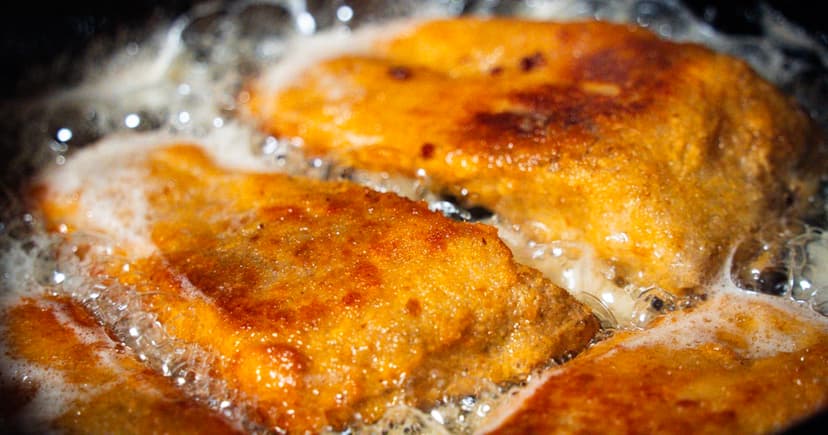
Comfort Food for Rainy Days: 8 Cozy Recipes to Warm Your Soul
Rain tapping on the windows? Here are 8 soul-warming recipes perfect for curling up with on those grey, drizzly days.
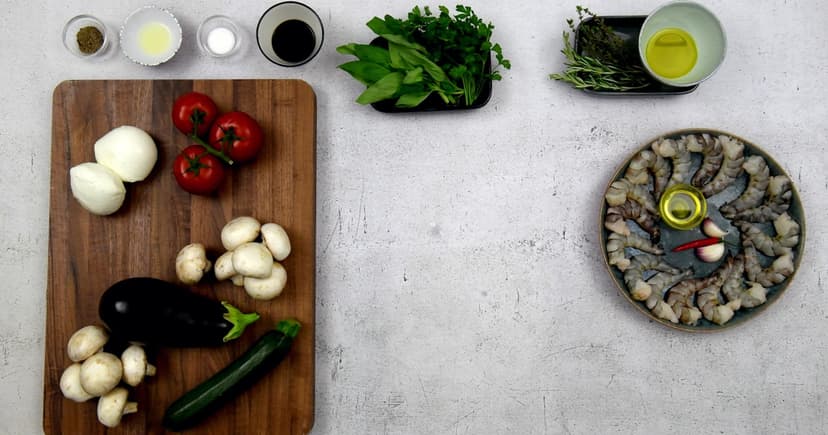
5-Ingredient Dinners for Busy Weeknights
The best weeknight dinners aren't complicated. They're five ingredients, one pan, and twenty minutes. Here are the principles behind meals that are simple without being boring.
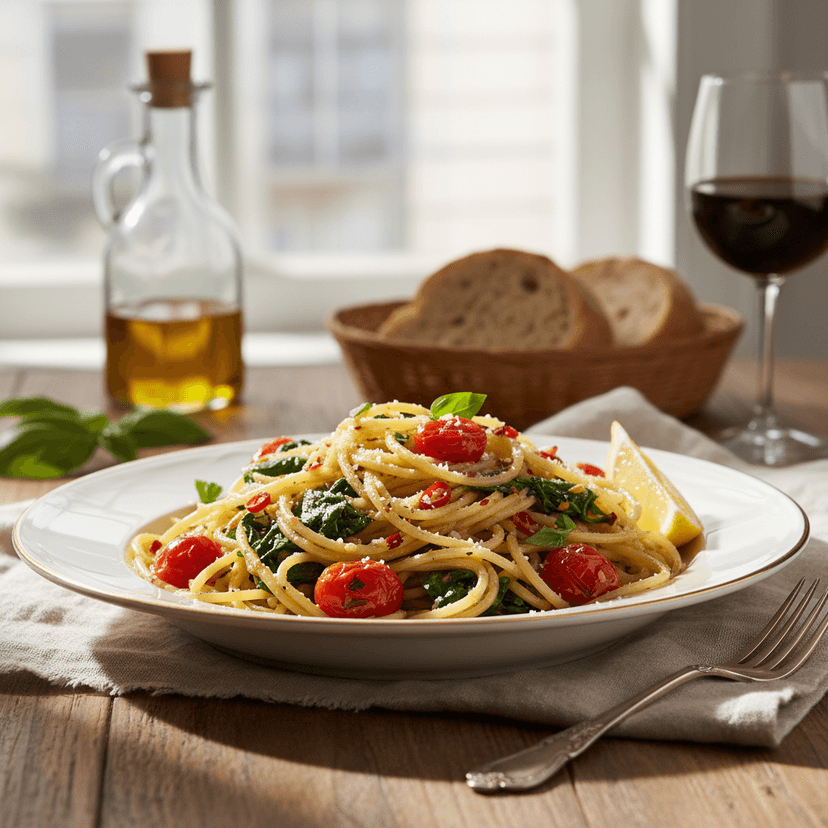
15-Minute Dinners: 10 Fast Recipes for Busy Weeknights
From start to finish in 15 minutes. These recipes prove that fast food doesn't have to come from a drive-through.
Let AI Pick Your Perfect Meal
Tell us your mood, and we'll recommend exactly ONE meal for you. No endless scrolling, no decision fatigue.