Vietnamese Pho
“Fragrant, soul-warming Vietnamese noodle soup with silky rice noodles and aromatic spiced broth. The ultimate comfort for weary souls.”
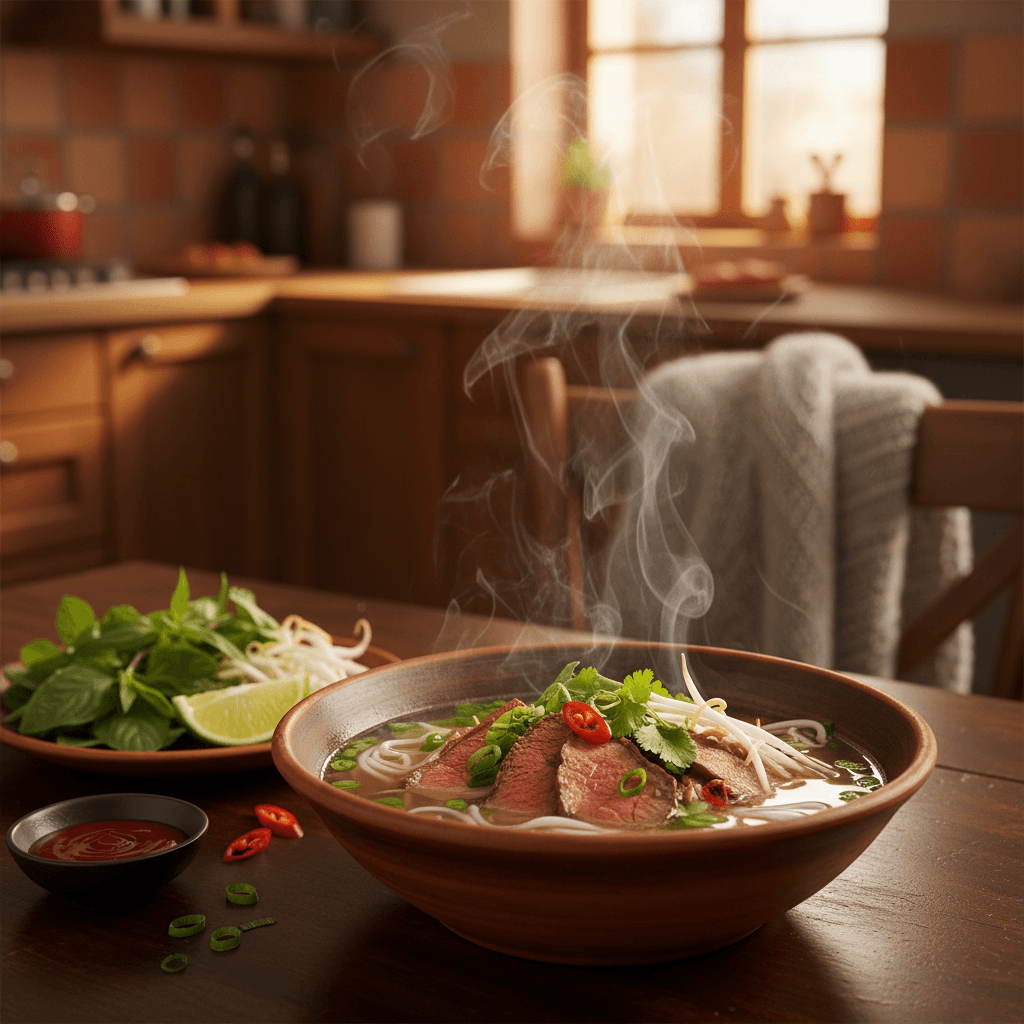
🤖 Why This Recipe Matches Your Mood
When you're exhausted and need deep nourishment, pho is liquid comfort. The aromatic broth warms you from the inside out, while the fresh herbs lift your spirits. It's healing in a bowl.
Making pho from scratch is a labor of love. There's no getting around that. But the reward – a broth so aromatic and deeply flavored that one sip feels like healing – makes every hour worth it. This isn't a weeknight dinner recipe. It's a weekend project that yields enough liquid gold to freeze for quick meals later.
I won't pretend pho is simple or fast. But I will tell you that following these steps produces broth that rivals the best Vietnamese restaurants. Once you taste what's possible, you'll understand why people dedicate entire businesses to perfecting this single dish.
The Parboil: Why It's Non-Negotiable
If you skip one step in this recipe, don't let it be the parboil. This initial blanching of bones removes blood, impurities, and off-flavors that would otherwise cloud your broth and give it a murky, slightly gamey taste.
Bring the bones to a rolling boil for five minutes and watch what happens: grey foam billows to the surface. That's what you're removing. Drain everything, scrub the bones under running water, and thoroughly clean your pot. What you're left with are clean bones ready to produce crystal-clear broth.
Some recipes skip this step in the name of convenience. Don't believe them. The difference between parboiled and non-parboiled pho broth is immediately visible and tasteable.
Char Until You're Nervous
Charring onion and ginger is another step that separates adequate pho from transcendent pho. The blackened, almost burnt aromatics contribute a subtle smoky sweetness that defines authentic Vietnamese pho.
Use a gas burner if you have one – place the halved onion and ginger directly in the flame, turning occasionally, until significantly blackened. If you have an electric stove, the broiler works fine but takes longer.
Don't be timid here. You want actual charred spots, not just browning. The aromatics should look concerning. Trust the process – those burnt bits add complexity without bitterness.
The Gentle Simmer: Patience Required
Once your broth is assembled, the hardest part begins: waiting. True pho broth simmers for a minimum of three hours, and many Vietnamese grandmothers would say that's rushing it.
The simmer must be gentle – just occasional bubbles breaking the surface, never a rolling boil. Aggressive boiling emulsifies the fat and proteins, creating cloudy broth. You want clean, pure, clear liquid that showcases the essence of beef and aromatics.
Resist the urge to stir or disturb the pot. Skim any foam that rises in the first thirty minutes, then leave it alone. Your kitchen will fill with the most incredible aroma – star anise, cinnamon, charred ginger. This smell is the promise of what's coming.
🧠 The Science Behind It
Pho satisfies because it's designed to satisfy. The Vietnamese developed this dish as complete nutrition in a bowl – protein from beef, carbohydrates from noodles, vitamins from fresh herbs, electrolytes from the deeply seasoned broth.
The warming spices – star anise, cinnamon, cloves – have been used for centuries in traditional medicine for their digestive and warming properties. Whether or not you believe in traditional medicine, the psychological association between these spices and wellness is real.
There's also the ritual aspect. Building your own bowl with herbs, lime, and sauces engages you in the meal. Slurping hot noodles from a steaming bowl is tactile, warming, meditative. Pho doesn't just feed you; it nourishes you.
🌍 Cultural Background
Pho originated in northern Vietnam in the early 20th century, likely influenced by both Chinese and French culinary traditions. The French colonial presence introduced beef-eating to Vietnam (Buddhists traditionally avoided beef), while Chinese immigrants contributed noodle-soup traditions.
After the Vietnam War, Vietnamese refugees brought pho worldwide. Today, it's beloved globally, with regional variations in Vietnam (southern pho is sweeter, with more garnishes) and international adaptations everywhere from Houston to Paris.
In Vietnam, pho is traditionally breakfast food, sold by street vendors in the early morning. The idea of pho as comfort food for any time of day is largely a diaspora phenomenon – though no one in Vietnam would object.
⚡ Quick Tips Before You Start
- ✓Never skip the parboil – it's essential for clear broth
- ✓Char aromatics until they look almost burnt
- ✓Keep the simmer gentle – no rolling boil
- ✓Freeze extra broth for quick future pho
🍽️ Serving Suggestions
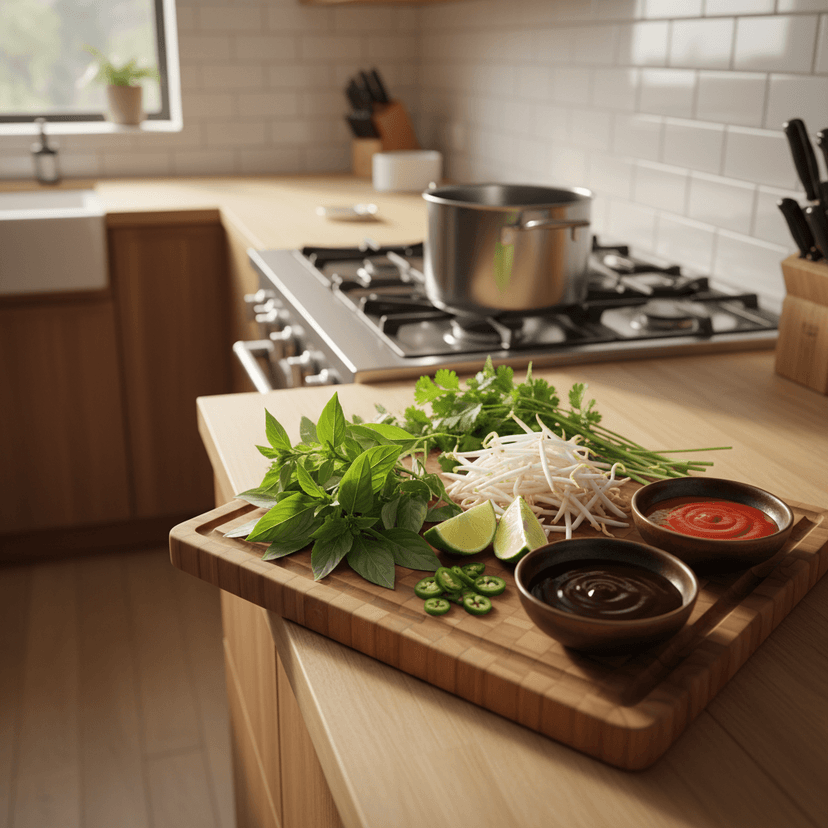
Pho is served with a plate of accompaniments: fresh Thai basil, bean sprouts, lime wedges, sliced jalapeños, and sometimes sawtooth coriander or mint. Hoisin sauce and sriracha are on the table for those who want them.
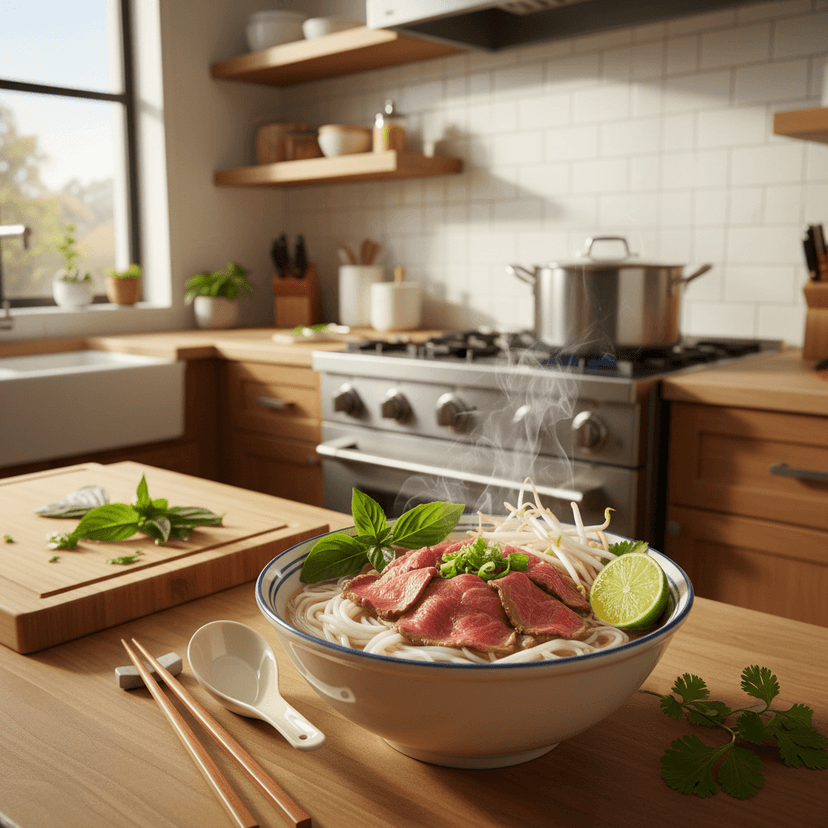
Build your bowl with raw herbs first, pour boiling broth over thinly sliced raw beef (it cooks instantly), and customize with sauce and lime to taste. The personalization is part of the experience.
🍷 Perfect Pairings
In Vietnam, pho is drunk with iced tea or iced coffee. In the West, light beer works surprisingly well – the carbonation cuts through the richness.
Wine is unconventional but a crisp, acidic white like Grüner Veltliner can complement the aromatics without fighting them.
Making pho is how I decompress. The slow simmer, the incredible aromas filling my home, the knowledge that something deeply nourishing is developing – it's meditative in a way that quick recipes can never be. I make a big batch every few months and freeze portions. Future-me always thanks past-me for that foresight.
— The mealideas.ai Team
📋 Vietnamese Pho
📝 Ingredients
For the Broth
- •1kg / 2 lbs beef bones (knuckle or marrow bones)
- •500g / 1 lb beef brisket or chuck
- •4 quarts / 3.8L cold water
Aromatics (Note 1)
- •1 large onion, halved
- •10cm / 4 inch piece fresh ginger, halved lengthwise
Spices (Note 2)
- •3 whole star anise
- •4 whole cloves
- •1 cinnamon stick (about 7cm / 3 inches)
- •1 tbsp coriander seeds
Seasoning
- •3 tbsp fish sauce, plus more to taste
- •1 tbsp sugar (rock sugar preferred)
Noodles & Meat
- •400g / 12 oz dried rice noodles (banh pho, medium width)
- •250g / 1/2 lb eye of round or sirloin, very thinly sliced (Note 3)
To Serve
- •200g / 2 cups fresh bean sprouts
- •1 bunch fresh Thai basil
- •1 bunch fresh cilantro
- •2 limes, cut into wedges
- •2-3 fresh jalapeños, sliced
- •Hoisin sauce
- •Sriracha
👨🍳 Instructions
- 1
Parboil those bones – we're washing away impurities for a clean, clear broth that'll make you proud.
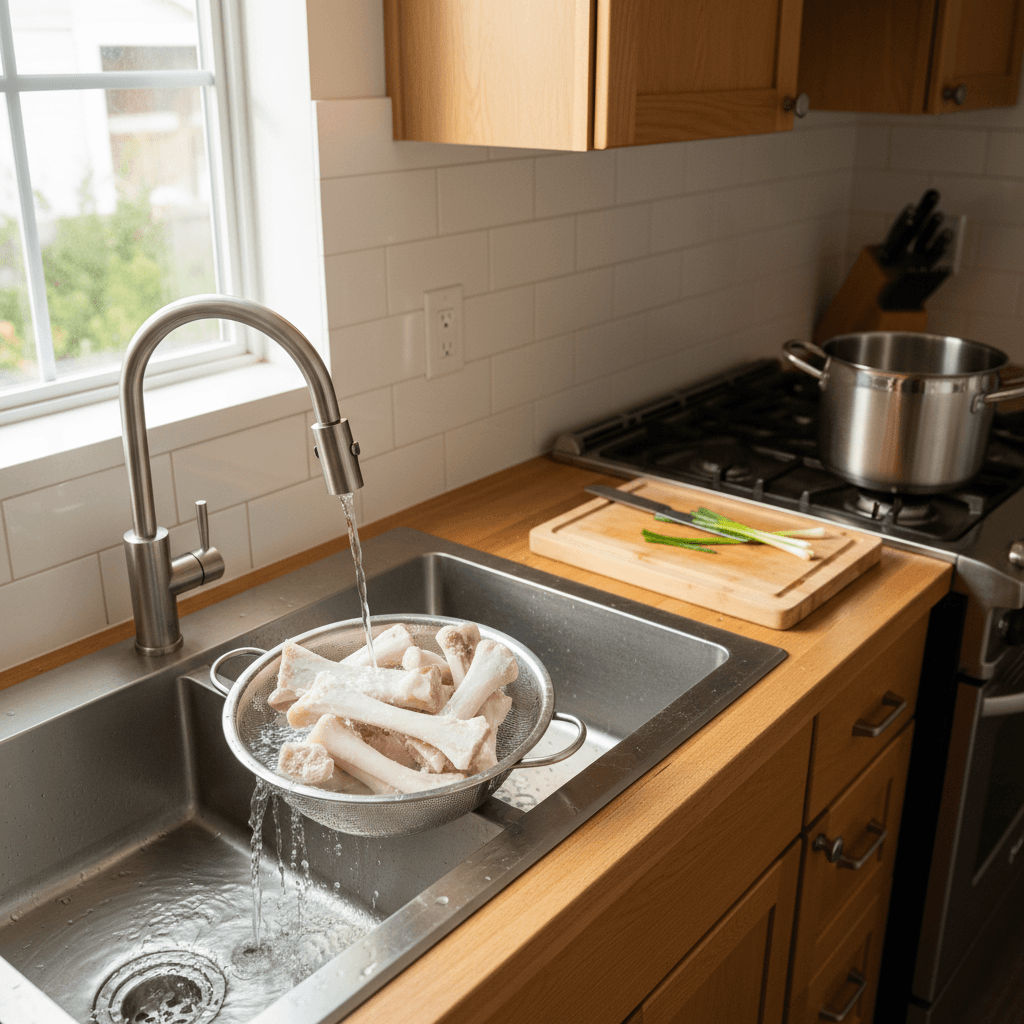
See how clean the bones are after parboiling? This is the secret to crystal-clear broth. - 2
Char the aromatics and let the kitchen fill with smoky sweetness. This is where the magic begins.
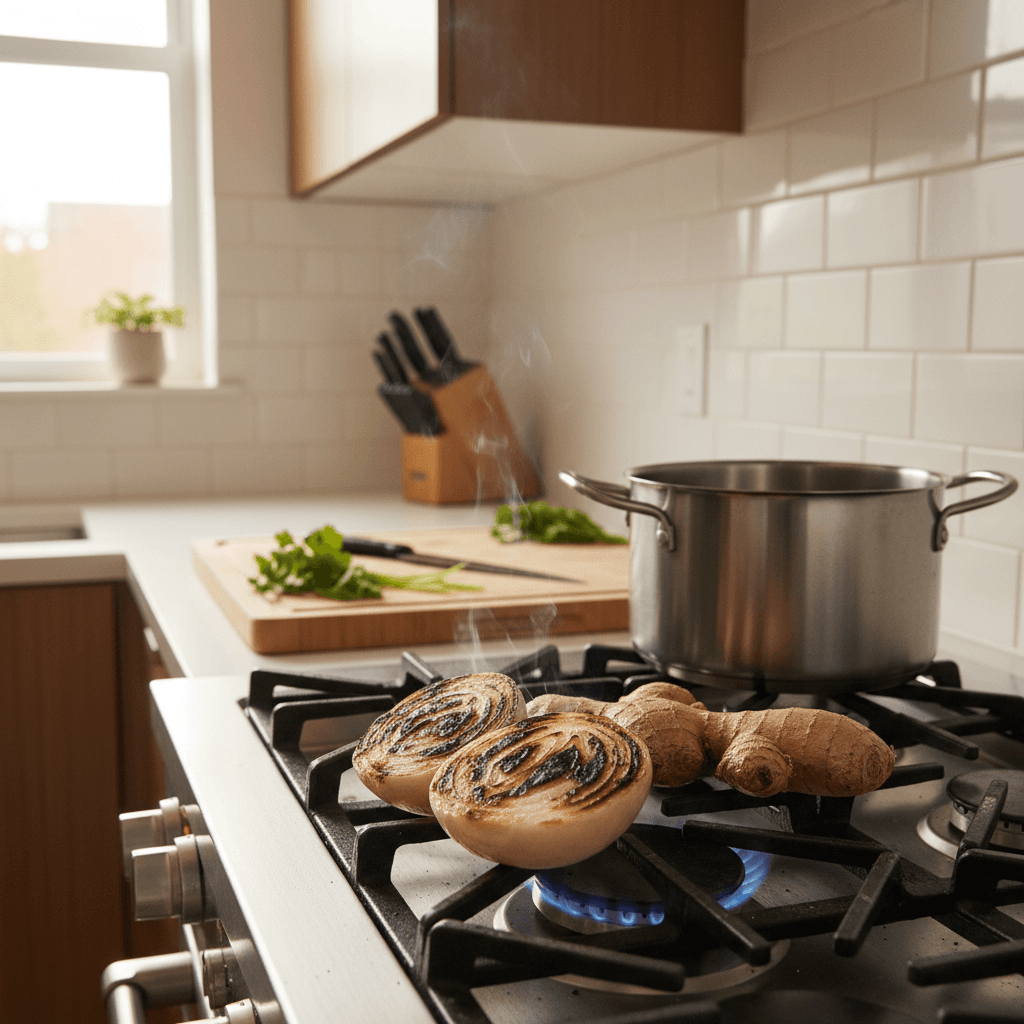
Don't be shy with the char – those blackened spots add essential smoky sweetness. - 3
Toast those spices and breathe deep. Star anise and cinnamon – instant aromatherapy.
- 4
Everything goes in the pot. Now begins the patient simmer – good things come to those who wait.
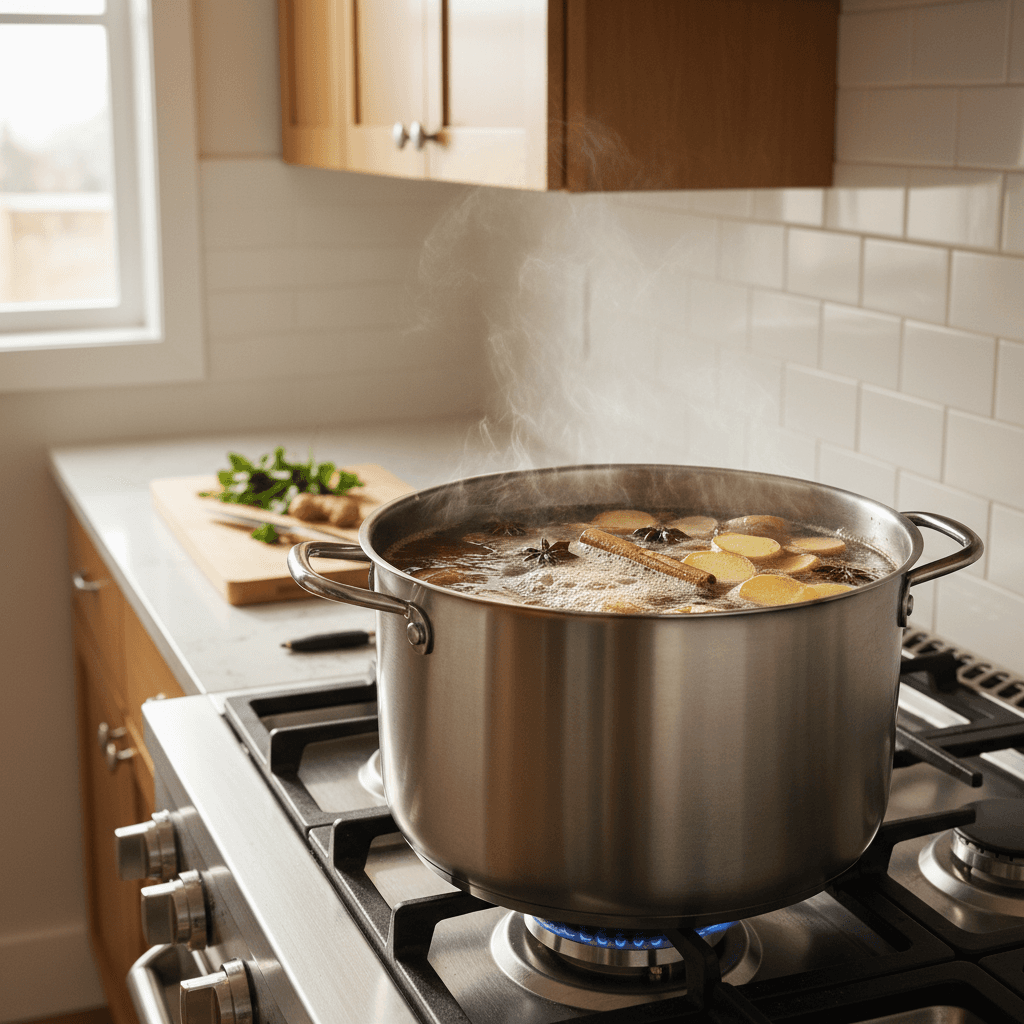
A gentle simmer with just a few lazy bubbles – never a rolling boil. - 5
Skim with care. Each pass makes the broth clearer, purer, more beautiful.
- 6
The brisket is ready when it yields to your fork. Tender, like you should be with yourself.
- 7
Taste your broth. Season with intention. This is your creation.
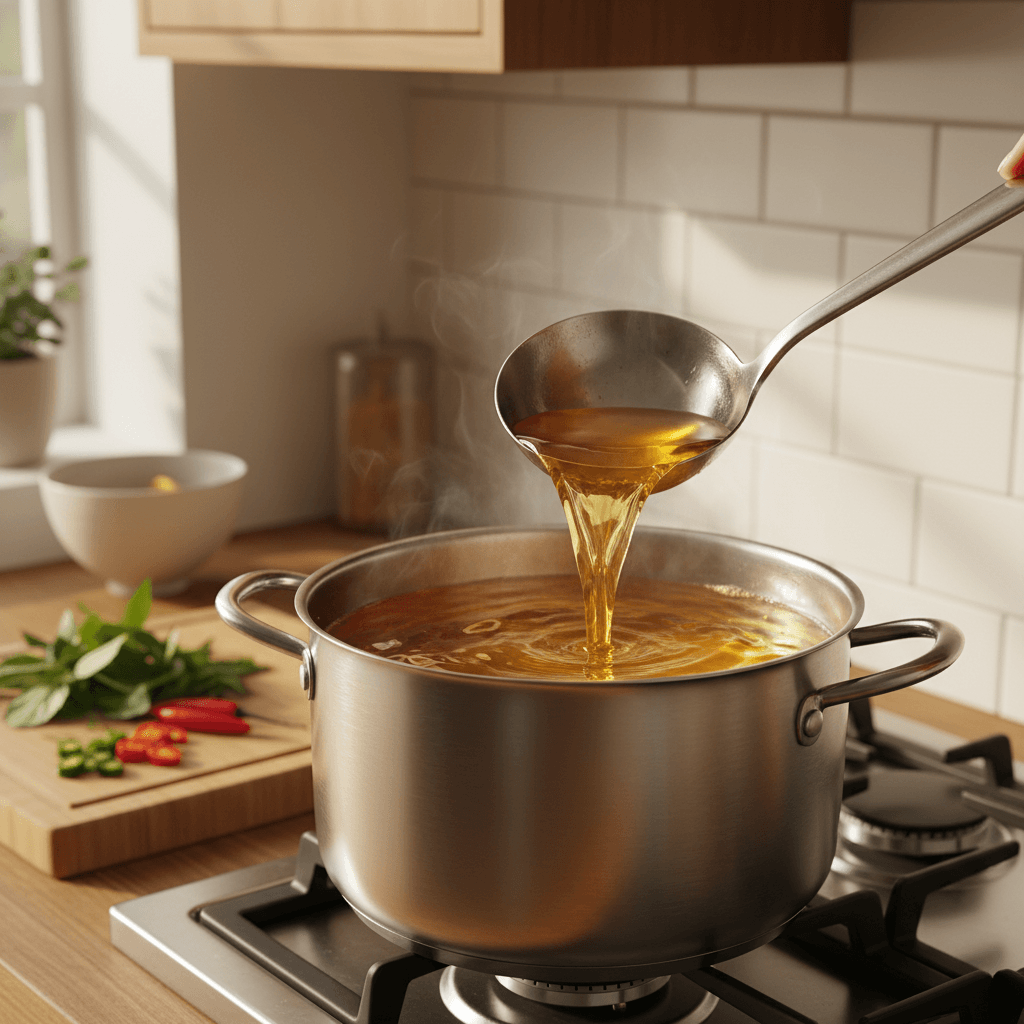
The finished broth should be clear and deeply aromatic – liquid gold! - 8
Assemble with love – noodles, meat, a steaming pour of liquid gold.
- 9
Garnish with fresh herbs and squeeze of lime. Take a slurp. Feel the warmth spread through you.
📸 More Photos
💡 Why This Recipe?
When you're exhausted and need deep nourishment, pho is liquid comfort. The aromatic broth warms you from the inside out, while the fresh herbs lift your spirits. It's healing in a bowl.
⭐ Pro Tips
- 1Char the onion and ginger until blackened – this caramelization adds essential sweetness and depth
- 2Keep the broth at a gentle simmer, never a rolling boil, to maintain clarity
- 3Toast the spices before adding to bloom their essential oils and intensify flavor
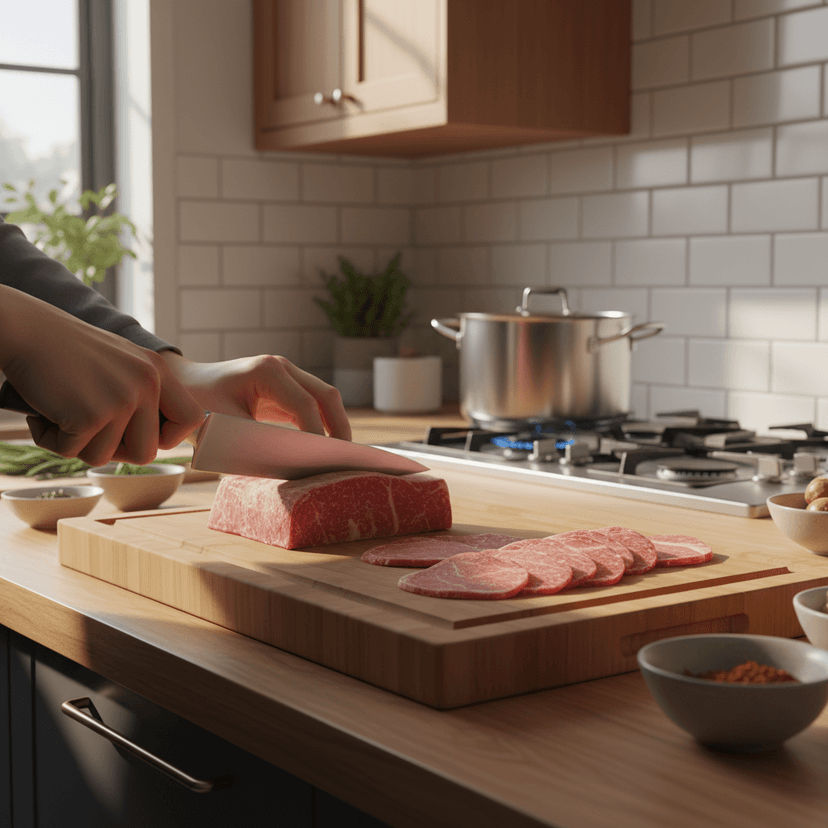
- 4Freeze the sirloin for 15 minutes before slicing to achieve paper-thin cuts
📌 Recipe Notes
🔄 Recipe Variations
- →Chicken Pho (Pho Ga): Replace beef with a whole chicken, simmer for 1.5 hours, and use chicken bones for the broth
- →Vegetarian Pho: Use vegetable broth, mushrooms, and tofu. Add extra star anise and roasted onion for depth
- →Quick Weeknight Pho: Use quality store-bought beef broth, add charred aromatics and spices, simmer 30 minutes
📦 Storage & Meal Prep
How to Store
Store broth and noodles/toppings separately. Broth keeps refrigerated for 5 days or frozen for 3 months. Fat will solidify on top when cold – this is normal and actually helps preserve the broth. Remove fat before reheating, or leave some for extra richness.
Make Ahead Tips
Pho broth improves with time! Make the broth 1-2 days ahead and refrigerate. The flavors will deepen and meld beautifully. Simply reheat, prepare fresh noodles and garnishes, and assemble when ready to serve.
🥗 Nutrition Information
Per serving
❓ Frequently Asked Questions
Why do you need to parboil the bones first?
Parboiling removes blood, impurities, and excess fat from the bones, which is essential for achieving the clean, clear broth that authentic pho is known for. Skipping this step results in a cloudy, murky broth with off-flavors.
Can I make pho in an Instant Pot?
Yes! After parboiling and charring aromatics, pressure cook on high for 45 minutes with natural release. The broth won't be quite as deeply flavored as the traditional 3-hour simmer, but it's a great weeknight shortcut that still delivers delicious results.
What's the difference between pho and ramen?
Pho is Vietnamese, uses rice noodles and a clear broth flavored with star anise, cinnamon, and fish sauce. Ramen is Japanese, uses wheat noodles and typically features a richer, often pork-based broth with soy sauce and mirin. Different cuisines, different soul-warming experiences!
How thin should I slice the raw beef?
Slice the beef as thin as possible – about 1/16 inch or paper-thin. Partially freezing the beef for 15-20 minutes makes it much easier to slice. The hot broth will cook these thin slices in seconds when you pour it over.
🔗 You Might Also Like
🧭 Explore More Meal Ideas
📖 From Our Blog
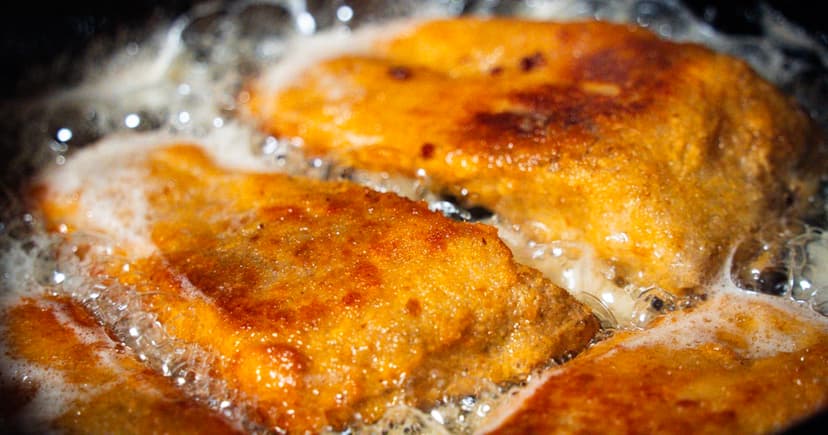
Comfort Food for Rainy Days: 8 Cozy Recipes to Warm Your Soul
Rain tapping on the windows? Here are 8 soul-warming recipes perfect for curling up with on those grey, drizzly days.
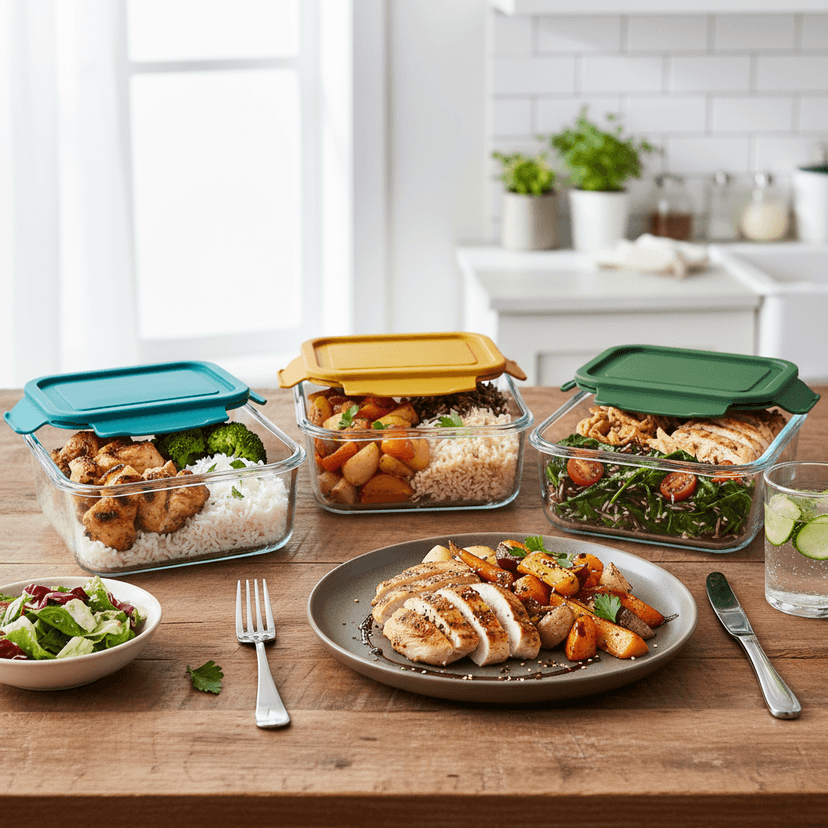
25 Easy Meal Prep Ideas That Actually Work (2026 Guide)
Stop staring at your fridge wondering what to cook. These 25 meal prep ideas will transform your week and save you hours of decision-making.
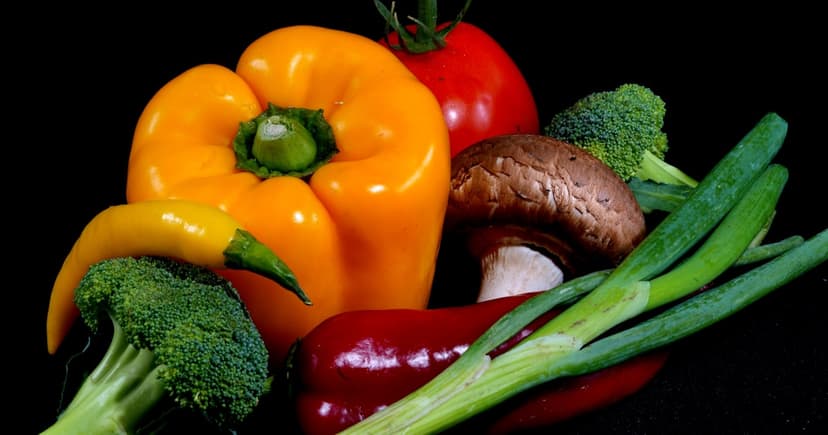
Low Glycemic Dinners: 8 Blood Sugar Friendly Recipes
Keep your blood sugar steady with these 8 delicious low glycemic dinners. No spikes, no crashes – just sustained energy and satisfaction.
Let AI Pick Your Perfect Meal
Tell us your mood, and we'll recommend exactly ONE meal for you. No endless scrolling, no decision fatigue.