French Onion Soup
“The ultimate comfort in a bowl. Deeply caramelized onions, rich beef broth, and a blanket of melted gruyere – this is the soup that makes everything feel okay.”
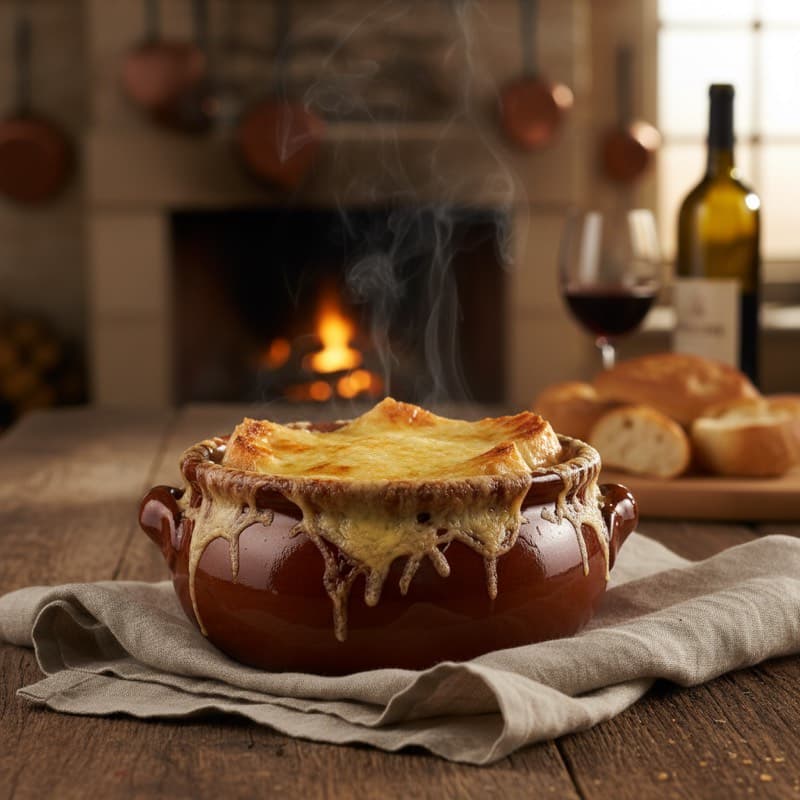
🤖 Why This Recipe Matches Your Mood
There's something deeply soothing about a bowl of caramelized onions swimming in rich broth, topped with melty cheese. When you're exhausted or stressed, this soup feels like a warm blanket.
French onion soup is comfort food masquerading as elegance. Beneath that bronzed cheese cap lies something simple: onions, broth, bread, cheese. But the way those simple ingredients transform through patient cooking – that's where the magic happens.
This isn't a quick weeknight recipe. The onions alone take nearly an hour to properly caramelize. But that time is mostly hands-off, and what you get in return is a soup with depth and richness that no shortcut can replicate. Sometimes the slow way is the only way.
The Caramelization Cannot Be Rushed
Here's the truth about caramelizing onions: recipes that claim 15 minutes are lying. True caramelization – the kind that transforms sharp, pungent raw onion into something sweet, jammy, and deeply flavored – takes 45 to 60 minutes.
The process is simple. Slice onions thin (about 1/8 inch), melt butter in a heavy pot over medium-low heat, and cook slowly. Stir occasionally – every 10 minutes or so is fine. Watch as they soften, release liquid, then slowly turn from white to golden to deep amber.
Patience is the only ingredient you can't substitute. Higher heat might brown the outside while leaving the inside raw. You want slow, even transformation throughout.
Building Depth with Fond and Wine
As onions caramelize, brown bits – called fond – stick to the bottom of the pot. This is concentrated flavor, not something to scrape away and discard. Wine's job is to release these treasures back into the soup.
When you add wine to the pot, it bubbles and steams, loosening the fond and incorporating it into the liquid. Stir and scrape as the wine simmers, reducing by about half. What remains is a concentrated flavor base.
Dry white wine is traditional, though red wine works for a darker, slightly more robust soup. Beef broth without wine is acceptable but misses a layer of complexity. The alcohol cooks off completely; only flavor remains.
The Cheese Cap: More Than Topping
The melted cheese isn't just garnish – it's a structural element. When properly broiled, it creates a seal that keeps the soup hot and provides textural contrast against the broth.
Gruyère is the traditional choice: nutty, slightly sweet, melting into gorgeous strings. Swiss cheese substitutes adequately. Mozzarella melts well but lacks flavor depth. Avoid cheddar – it separates and becomes oily under the broiler.
The bread beneath the cheese matters too. A thick slice of French bread or baguette, ideally toasted first, provides something substantial for the cheese to adhere to. Without this foundation, you just have melted cheese pooling on soup – good, but not the classic presentation.
🧠 The Science Behind It
French onion soup satisfies on multiple levels. The rich beef broth provides protein and warmth. The caramelized onions deliver natural sweetness and depth. The cheese adds fat and umami. Together, they create something greater than any component alone.
There's also the ritual of eating it. Breaking through that cheese cap, inhaling steam that rises from the breach, fishing for onion-soaked bread – it's interactive in a way most soups aren't. You're engaged with your food rather than just consuming it.
Psychologically, this soup feels nurturing. It's warm, slightly sweet, requires no chewing strain. It's the kind of food that feels like being taken care of.
🌍 Cultural Background
French onion soup (soupe à l'oignon) has humble origins as a peasant dish – onions were cheap, bread could be stale, and together they made something filling. Its transformation into bistro fare happened in 18th century Paris.
The gratiné version – with cheese broiled on top – became iconic in Les Halles, Paris's massive central market where late-night workers needed hearty food. The tradition of serving it in individual oven-safe crocks dates to this era.
Today, French onion soup appears on menus worldwide, though quality varies wildly. Restaurant versions often cut corners with undercaramelized onions and weak broth. Homemade, with proper time invested, will always be superior.
⚡ Quick Tips Before You Start
- ✓Don't rush the caramelization – 45-60 minutes minimum
- ✓Deglaze with wine to capture all the fond
- ✓Toast bread before floating on soup
- ✓Use Gruyère for the best melting and flavor
🍽️ Serving Suggestions
French onion soup is traditionally a first course, followed by something lighter. As a meal unto itself, serve with a simple green salad dressed with vinaigrette – the freshness provides needed contrast.
Oven-safe bowls or crocks are essential for the proper presentation with broiled cheese. Warn guests that the bowl and soup are extremely hot.
🍷 Perfect Pairings
A glass of the same dry white wine used in cooking pairs naturally. Côtes du Rhône or other medium-bodied French reds also work well.
For non-alcoholic options, sparkling water with lemon provides palate-cleansing freshness against the rich soup.
I make French onion soup on cold, grey days when I need something to look forward to. The hour of slow onion caramelization becomes meditative – stirring every so often, watching transformation happen. By the time I'm eating it, I've already been comforted by the process.
— The mealideas.ai Team
📋 French Onion Soup
📝 Ingredients
- •4 large yellow onions, thinly sliced
- •4 tbsp butter
- •6 cups beef broth
- •1 cup dry white wine
- •4 slices French bread
- •2 cups gruyere cheese, shredded
- •2 cloves garlic, minced
- •1 tsp fresh thyme
- •Salt and pepper to taste
👨🍳 Instructions
- 1
Low and slow with those onions. This is meditation time. Let them caramelize while you decompress.
- 2
Garlic and thyme – breathe in. Your kitchen smells like a Parisian bistro.
- 3
Wine sizzles in, lifting all those caramelized bits. The good stuff.
- 4
Broth goes in, and now you wait. Put your feet up for 20 minutes.
- 5
Bread and cheese get piled on. Don't be shy with the gruyere.
- 6
Watch through the oven door as it bubbles and browns. Almost there.
- 7
Careful, it's lava-hot. But so, so worth the wait.
💡 Why This Recipe?
There's something deeply soothing about a bowl of caramelized onions swimming in rich broth, topped with melty cheese. When you're exhausted or stressed, this soup feels like a warm blanket.
⭐ Pro Tips
- 1Slice onions uniformly thin (about 1/8 inch) so they caramelize evenly – thicker slices will have undercooked centers
- 2Add a pinch of sugar after 30 minutes to help the caramelization process if onions aren't browning
- 3Use a mix of yellow and sweet onions for the best balance of sweetness and depth
- 4Toast the bread slices before floating on soup – soggy bread is disappointing; toast holds up to the broth better
🔄 Recipe Variations
- →French Onion Beef Stew: Add cubed beef chuck and root vegetables for a heartier main course version
- →Vegetarian: Use rich vegetable or mushroom broth and add a splash of soy sauce for umami depth
- →French Onion Soup Dip: Reduce the soup until thick, skip the bread, and serve warm with crackers or bread
📦 Storage & Meal Prep
How to Store
Store soup base (without bread and cheese) in an airtight container in the refrigerator for up to 4 days or freeze for up to 3 months. Never freeze with the bread and cheese – add those fresh when ready to serve.
Make Ahead Tips
Caramelize a large batch of onions on the weekend and store in the fridge for up to 5 days. This makes weeknight French onion soup possible in under 30 minutes. The onions also freeze well for up to 2 months.
🥗 Nutrition Information
Per serving
❓ Frequently Asked Questions
How long does it really take to caramelize onions?
True caramelization takes 45-60 minutes over medium-low heat. There are no shortcuts – higher heat will burn the onions before they develop that deep golden color and sweet flavor. The transformation from white to amber is worth every minute.
Can I make French onion soup without wine?
Yes, substitute the wine with additional beef broth plus 1 tablespoon of red wine vinegar or balsamic vinegar. The acid helps balance the sweetness of the caramelized onions. The flavor will be slightly different but still delicious.
What can I use instead of Gruyère cheese?
Swiss cheese is the most similar substitute. Fontina, Comté, or even a mix of mozzarella and parmesan work well. Avoid cheddar – it doesn't have the right melting properties and can become oily under the broiler.
Can French onion soup be made ahead?
The soup base (without bread and cheese) can be made up to 3 days ahead and refrigerated. The flavors actually improve overnight. Reheat, then add bread and cheese just before broiling and serving.
🔗 You Might Also Like
🧭 Explore More Meal Ideas
📖 From Our Blog
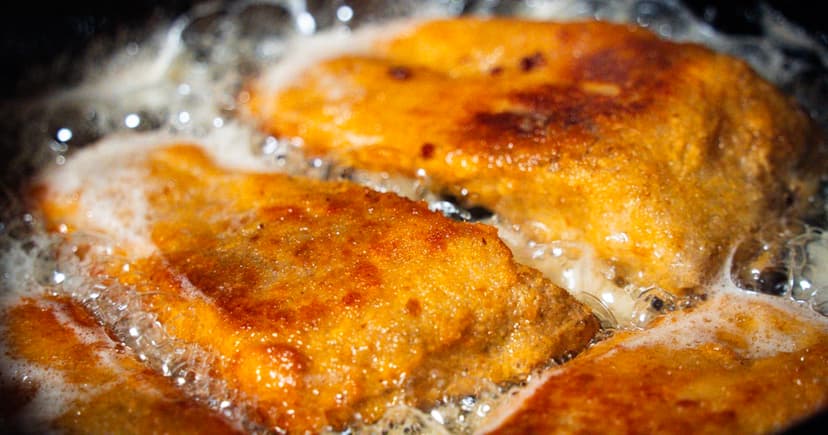
Comfort Food for Rainy Days: 8 Cozy Recipes to Warm Your Soul
Rain tapping on the windows? Here are 8 soul-warming recipes perfect for curling up with on those grey, drizzly days.
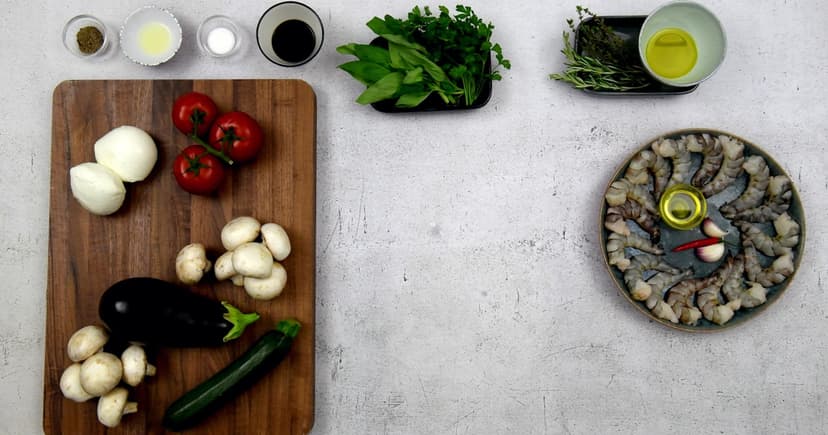
5-Ingredient Dinners for Busy Weeknights
The best weeknight dinners aren't complicated. They're five ingredients, one pan, and twenty minutes. Here are the principles behind meals that are simple without being boring.
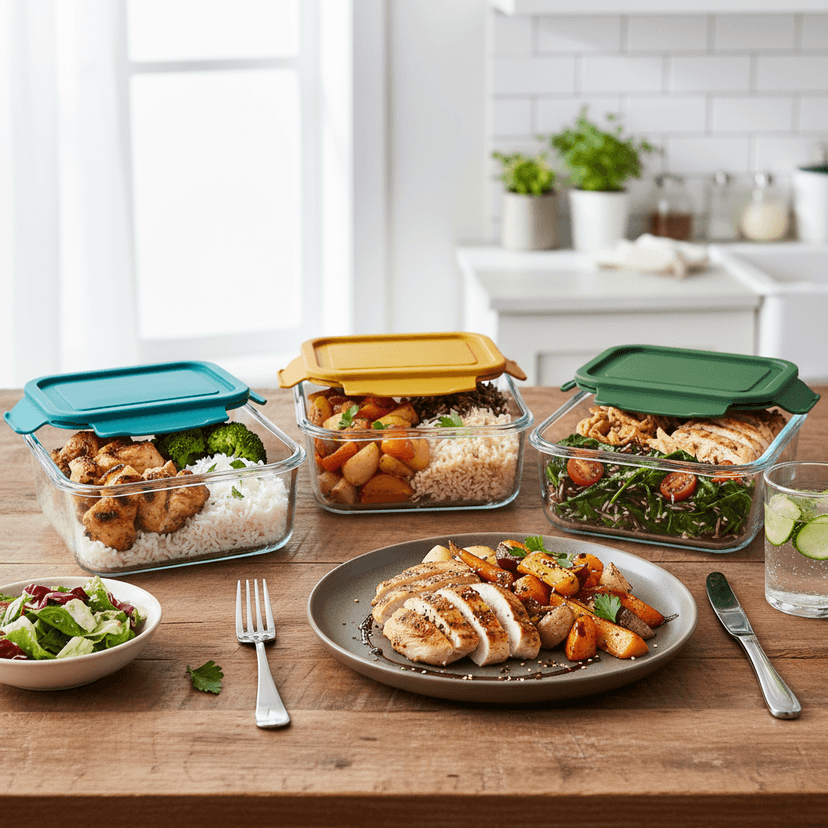
25 Easy Meal Prep Ideas That Actually Work (2026 Guide)
Stop staring at your fridge wondering what to cook. These 25 meal prep ideas will transform your week and save you hours of decision-making.
Let AI Pick Your Perfect Meal
Tell us your mood, and we'll recommend exactly ONE meal for you. No endless scrolling, no decision fatigue.