Chicken Tikka Masala
“The iconic curry that conquered the world. Tender chicken in a rich, creamy tomato sauce – it's takeout quality made with love at home.”
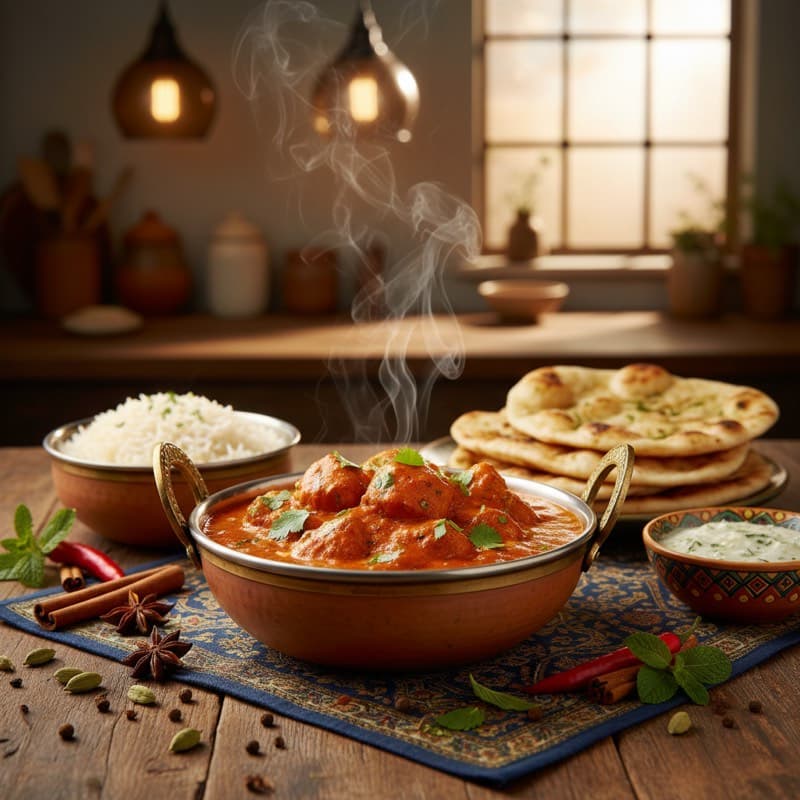
🤖 Why This Recipe Matches Your Mood
This British-Indian classic wraps you in warmth with every bite. When you need something special that feels like a celebration, tikka masala delivers.
Chicken tikka masala holds a unique place in culinary history: it's simultaneously one of India's most famous dishes globally and not actually from India at all. This British-Indian creation – probably invented in Glasgow or London in the 1970s – has become the unofficial national dish of the United Kingdom and a staple at Indian restaurants worldwide.
But here's what matters more than origin stories: tikka masala is absolutely delicious, and making it at home produces results that rival your favorite takeout. The combination of charred, spiced chicken with that rich, creamy tomato sauce is comfort food at its finest.
The Tikka Part: Why Charring Matters
Tikka means 'pieces' in Hindi, and traditionally those pieces are marinated in yogurt and spices before being cooked in a tandoor oven. The intense heat of a tandoor creates those characteristic charred spots that define tikka dishes.
You probably don't have a tandoor oven. Neither do I. But a broiler set to high achieves similar results. The key is getting the chicken close enough to the heat source that the yogurt marinade chars in spots while the interior stays tender.
Don't be alarmed when the chicken looks slightly burnt in places – those black spots are concentrated flavor. The charring creates Maillard compounds that add complexity to the final dish. Pale, merely-cooked chicken will give you an inferior result.
Building the Masala
Masala simply means 'spice blend,' and tikka masala's sauce is a tomato-based curry enriched with cream. Getting the sauce right is about balancing tomato acidity with cream richness and spice warmth.
Start with deeply caramelized onions – this takes longer than recipes usually suggest, at least 8-10 minutes of patient cooking until they turn golden brown. Rush this step and your sauce will taste raw and sharp.
Garam masala is the star spice here. Unlike many curry dishes where you toast whole spices, tikka masala relies on pre-ground garam masala added at two stages: once in the marinade and once in the sauce. This layered approach builds complexity.
Simmer the sauce long enough for the tomatoes to break down and meld with the spices. Then – and this is crucial – add the cream off the heat or over very low flame. High heat causes cream to curdle, giving you grainy sauce instead of silk.
Tikka Masala vs. Butter Chicken: The Debate
People constantly confuse these two dishes, and while they're similar, the differences matter.
Butter chicken (murgh makhani) is authentically Indian, created in Delhi in the 1950s. It uses seared – not charred – chicken in a milder, more butter-heavy sauce. The flavor profile is subtler, creamier, less tomato-forward.
Tikka masala is bolder. The charred chicken adds smokiness. The sauce is more assertively spiced and more tomato-forward. It's the dish that developed when Indian cooks adapted their cuisine for British palates that wanted more flavor, more sauce, more spice.
Neither is 'better' – they serve different cravings. Butter chicken is gentler comfort; tikka masala is richer indulgence.
🧠 The Science Behind It
Tikka masala works because it hits multiple comfort food triggers simultaneously. The creamy sauce delivers fat and richness; the tomatoes provide acidity and umami; the spices create warmth without overwhelming heat.
There's also something satisfying about the contrast between charred meat and silky sauce. Your mouth experiences multiple textures and temperatures in each bite, which keeps eating interesting rather than monotonous.
Psychologically, curry dishes often feel nurturing – warm, aromatic, meant to be eaten slowly. Tikka masala, with its relatively mild spice level, is accessible enough to be comforting rather than challenging.
🌍 Cultural Background
Chicken tikka masala's origin story is contentious. Multiple restaurants in Glasgow and London claim to have invented it, with the most common story involving a customer who complained that their chicken tikka was too dry. A quick-thinking chef allegedly added tomato soup and cream, and a legend was born.
In 2001, British Foreign Secretary Robin Cook famously declared tikka masala 'a true British national dish,' noting that it represented British multiculturalism at its best. The dish became a symbol of how immigrant cuisines transform and are transformed by their new homes.
Today, tikka masala sells more meals in the UK than fish and chips. It's a reminder that 'authentic' cuisine is always evolving, always adapting to new contexts and tastes.
⚡ Quick Tips Before You Start
- ✓Marinate chicken for at least 30 minutes, overnight if possible
- ✓Char the chicken under the broiler – don't just cook it
- ✓Caramelize onions fully before adding other aromatics
- ✓Add cream off the heat to prevent curdling
🍽️ Serving Suggestions
Basmati rice is the classic accompaniment – its fragrant, fluffy texture perfectly absorbs the sauce. Naan bread is essential for scooping up every last drop.
For a complete meal, add a cooling cucumber raita and perhaps some sautéed spinach or roasted cauliflower. The freshness of the sides balances the richness of the curry.
🍷 Perfect Pairings
An off-dry Riesling or Gewürztraminer pairs beautifully – the slight sweetness complements the spices while acidity cuts through the cream. A cold lager (Indian Kingfisher if you're feeling authentic) also works perfectly.
For non-alcoholic options, mango lassi is traditional and delicious. Sparkling water with lime provides palate-cleansing refreshment.
Tikka masala is my go-to dinner party dish. It looks impressive, tastes incredible, and is actually quite forgiving to make. The sauce can be made ahead, the chicken can be charred ahead, and everything comes together quickly at serving time. It's impressive without being stressful.
— The mealideas.ai Team
📋 Chicken Tikka Masala
📝 Ingredients
- •1.5 lbs chicken thighs, cubed
- •1 cup plain yogurt
- •2 tbsp garam masala
- •1 tbsp turmeric
- •1 can (14 oz) tomato sauce
- •1 cup heavy cream
- •1 large onion, diced
- •4 cloves garlic, minced
- •1 inch ginger, grated
- •2 tbsp butter
- •Fresh cilantro for garnish
- •Basmati rice for serving
👨🍳 Instructions
- 1
Let that chicken marinate. Good things come to those who wait.
- 2
Char that chicken. Those black spots are flavor medals.
- 3
Golden onions are the foundation. Take your time here.
- 4
Garlic and ginger hit the pan – breathe in that incredible aroma.
- 5
Tomatoes and spices simmer. Your kitchen smells like your favorite restaurant.
- 6
Cream goes in, chicken goes back. Watch it become something magical.
- 7
Cilantro on top, rice on the side. You just made restaurant-quality curry.
💡 Why This Recipe?
This British-Indian classic wraps you in warmth with every bite. When you need something special that feels like a celebration, tikka masala delivers.
⭐ Pro Tips
- 1Marinate overnight for the most flavorful, tender chicken.
- 2Char the chicken under the broiler for authentic restaurant-style char marks.
- 3Blend the sauce smooth before adding cream for a silkier consistency.
- 4Toast your garam masala in a dry pan for 30 seconds to intensify the flavor.
🔄 Recipe Variations
- →Paneer Tikka Masala: Replace chicken with cubes of paneer cheese for a vegetarian version.
- →Instant Pot Version: Sauté chicken and aromatics, then pressure cook for 8 minutes before adding cream.
- →Lighter Version: Use coconut milk instead of heavy cream for a dairy-free option.
📦 Storage & Meal Prep
How to Store
Store tikka masala in an airtight container in the refrigerator for up to 4 days. Freeze for up to 3 months. The flavors improve after a day. Reheat gently on the stovetop, adding a splash of cream if the sauce has thickened.
Make Ahead Tips
This dish is even better the next day. Make the entire curry up to 3 days ahead and refrigerate. Reheat gently, adding cream to thin the sauce if needed. Cook rice fresh when ready to serve.
🥗 Nutrition Information
Per serving
❓ Frequently Asked Questions
What's the difference between tikka masala and butter chicken?
Tikka masala uses charred/grilled chicken pieces and has a more tomato-forward, spicier sauce. Butter chicken uses pan-seared chicken in a milder, creamier sauce with more butter. Tikka masala originated in Britain; butter chicken is from India.
Why is my tikka masala sauce grainy?
Adding cream to boiling sauce can cause curdling. Lower the heat before adding cream and stir constantly. Blending the sauce smooth before adding cream also helps achieve a silky texture.
Can I skip marinating the chicken?
You can, but the yogurt marinade tenderizes the meat and helps the spices penetrate. Even 30 minutes makes a difference. For best results, marinate overnight.
How do I get the charred look on the chicken?
Use your oven's broiler set to high, placing the chicken on a sheet pan about 4 inches from the heat. Watch carefully and flip when you see black spots forming. A grill or very hot cast iron pan also works.
🔗 You Might Also Like
🧭 Explore More Meal Ideas
📖 From Our Blog
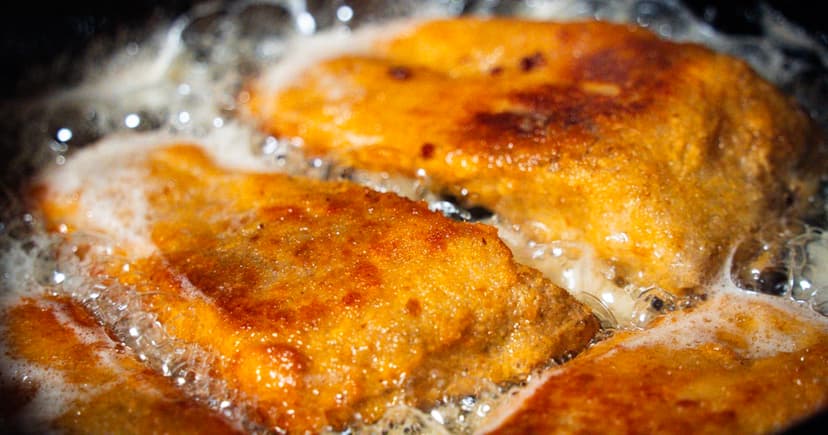
Comfort Food for Rainy Days: 8 Cozy Recipes to Warm Your Soul
Rain tapping on the windows? Here are 8 soul-warming recipes perfect for curling up with on those grey, drizzly days.
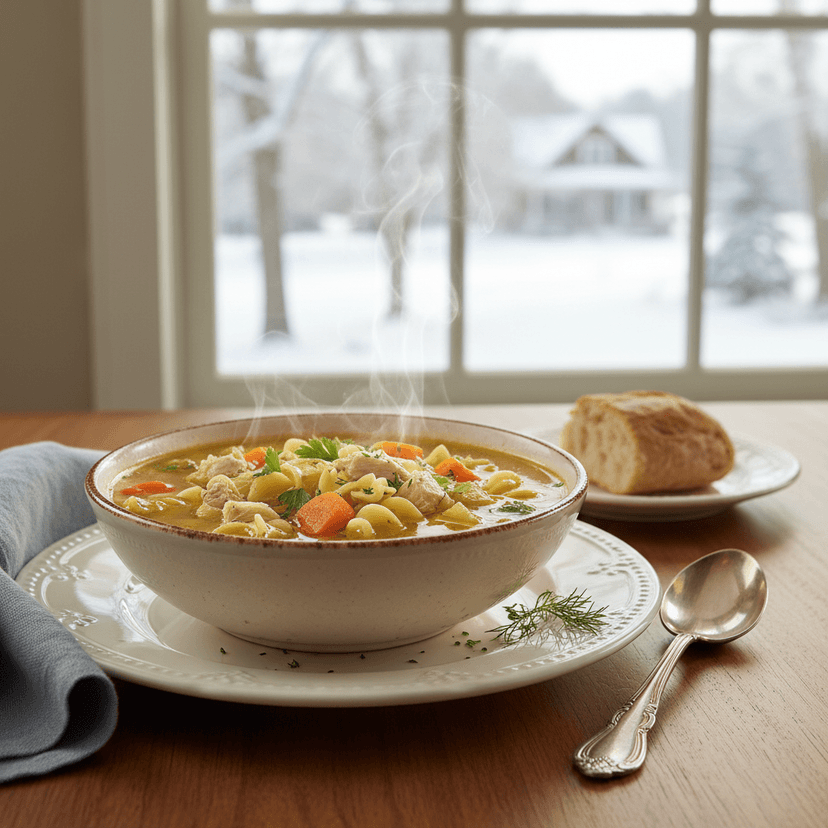
What to Eat When It's Cold: 10 Warming Recipes for Winter Days
When it's freezing outside, you need food that warms your soul. These 10 recipes are designed to make your kitchen smell amazing and keep you cozy all winter long.
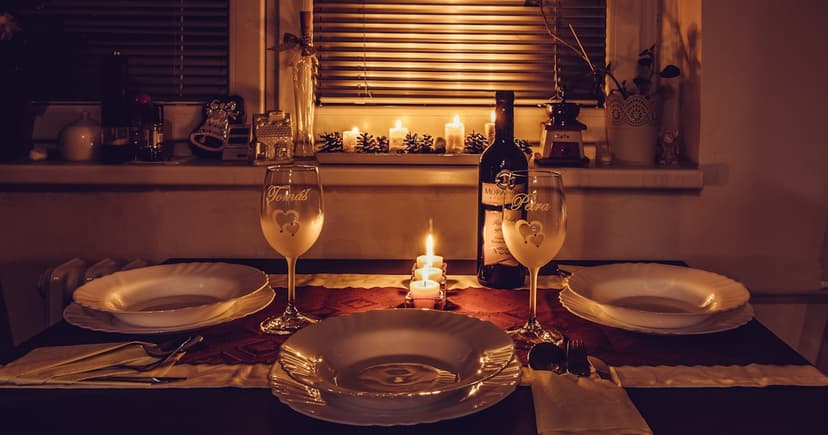
Date Night Dinner Recipes: 8 Impressive Meals to Cook at Home
Skip the reservation, impress your date. These 8 recipes deliver restaurant-quality results with home-kitchen simplicity.
Let AI Pick Your Perfect Meal
Tell us your mood, and we'll recommend exactly ONE meal for you. No endless scrolling, no decision fatigue.